The Third Shot Drop — Pickleball’s Most Important Shot
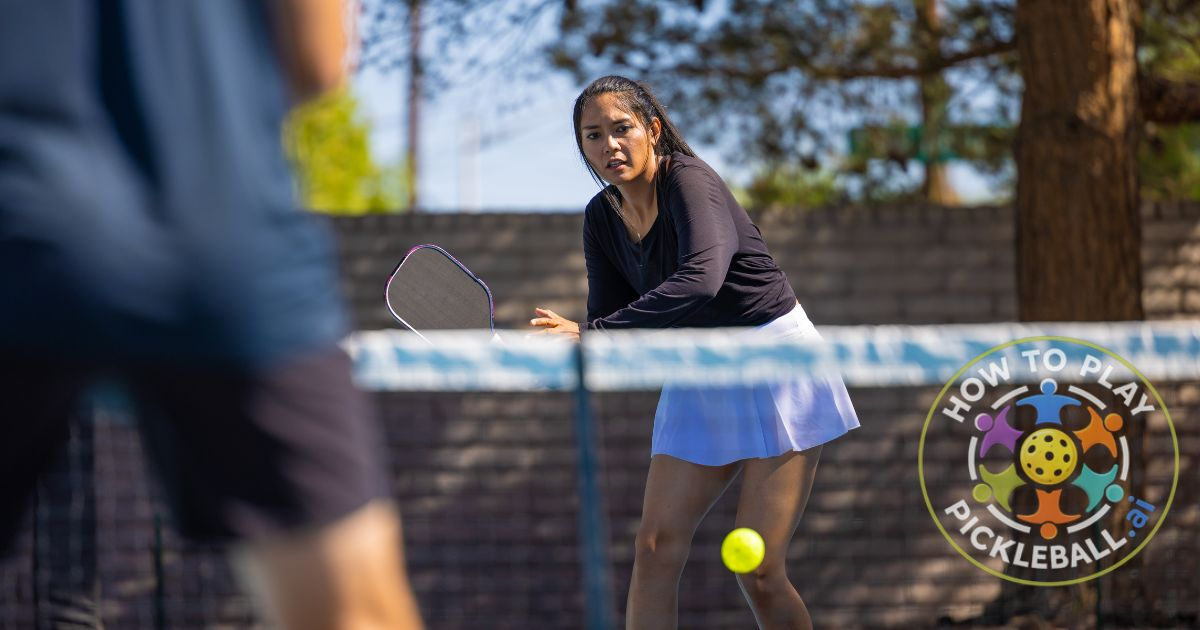
The third shot drop is widely considered the most important shot in pickleball. After the serve (shot 1) and the return (shot 2), the serving team faces a difficult situation: the receiving team has had time to reach the kitchen line, while the serving team is still near the baseline. The third shot drop is the solution — a soft, arcing shot that lands in the opponent’s kitchen and allows the serving team to advance to the kitchen line safely. Mastering it changes your game fundamentally.
Why the Third Shot Drop Exists
After a rally begins, the team at the kitchen line has a massive advantage — they can volley the ball downward at opponents who are forced to hit upward. The serving team starts at the baseline and cannot advance safely while the opponents can attack anything above the net. The third shot drop neutralizes this advantage by forcing the opponents to hit the ball upward out of their kitchen, which removes their attack angle and gives the serving team time to move forward during the flight of the ball.
How to Execute the Third Shot Drop
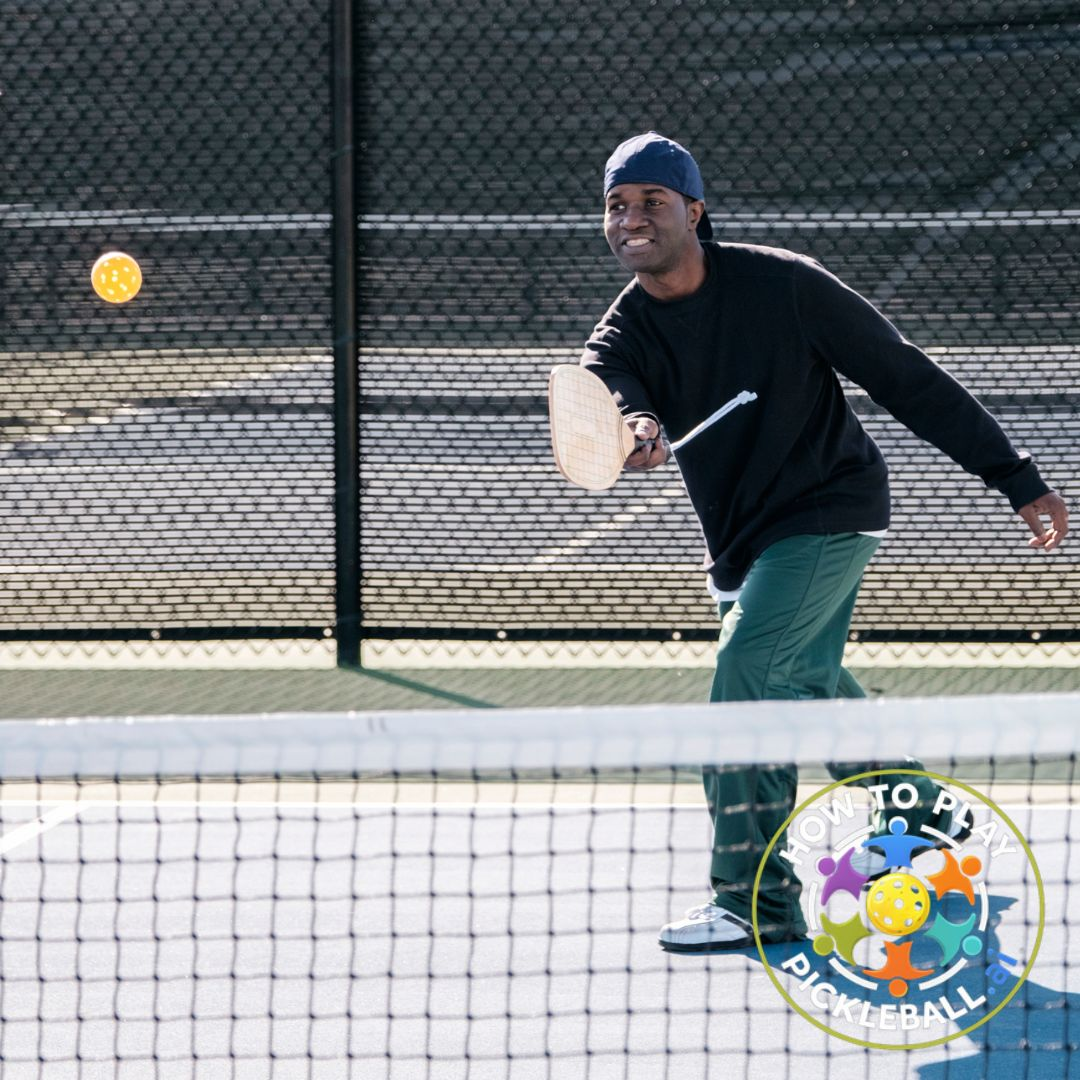
The third shot drop starts with a compact swing from the baseline. Use a continental or slightly open grip. Take the ball in front of your body, brushing up the back of the ball with a soft, upward swing. The arc should carry the ball just over the net and drop it steeply into the opponent’s kitchen. The ball should travel on a trajectory that lands within the first few feet of the kitchen, making it nearly unattackable. After hitting, immediately start moving toward the kitchen line — the drop buys you time, but only if you use it.
Third Shot Drive vs Third Shot Drop
The third shot drive is the alternative: a hard, flat shot that puts immediate pressure on the opponent. Use a drive when the return sits up high, when the opponent is out of position, or when you want to change pace and keep the opponent honest. Most advanced players use the drop as their primary third shot and the drive as a situational variation. The drive is higher-risk — if it does not win the point outright, the serving team is still stuck at the baseline. The drop is lower-risk and keeps the point moving forward.
Common Third Shot Drop Mistakes
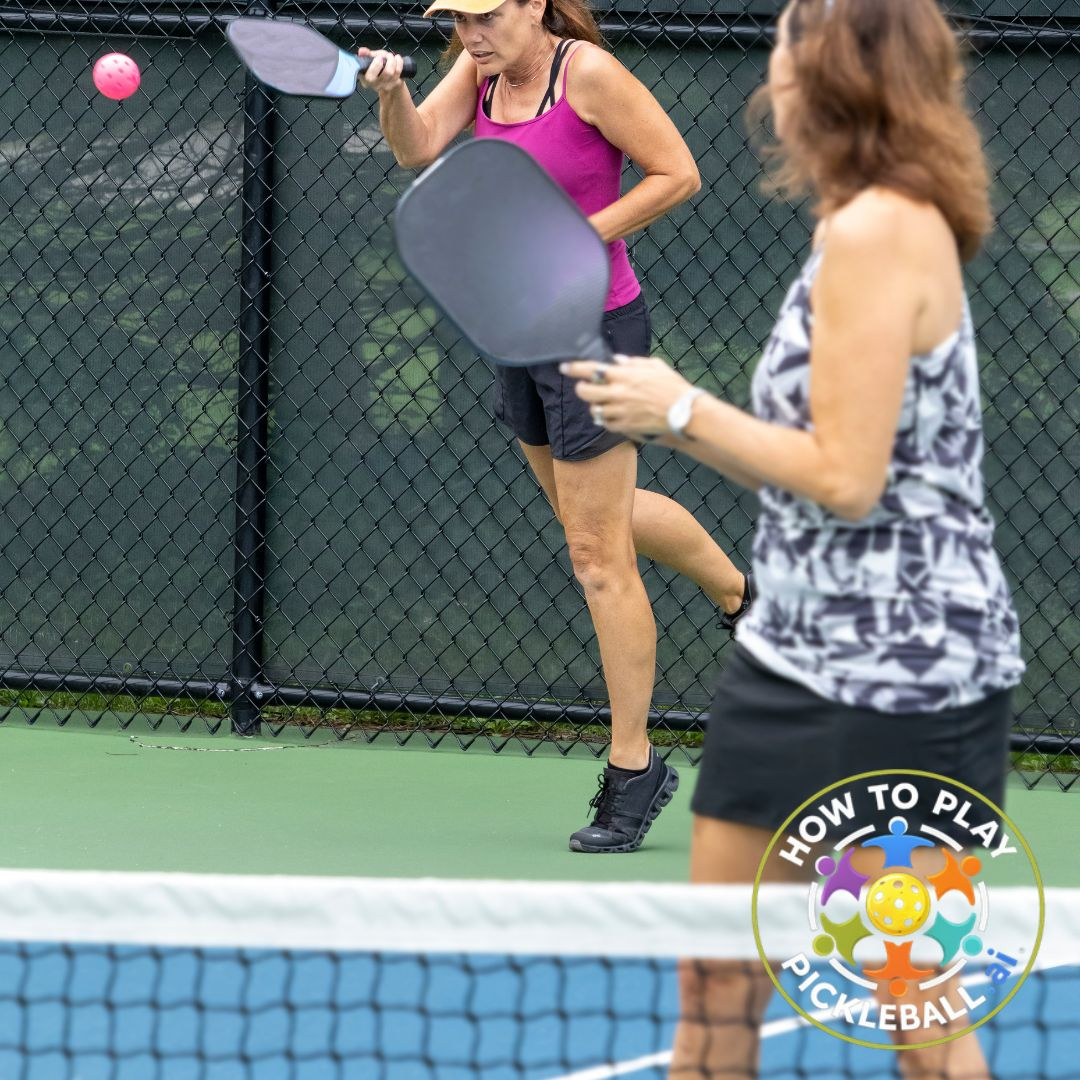
The most common mistakes are: hitting the ball into the net (too little arc), hitting the ball too high and presenting an attackable ball to opponents, taking the ball too late (behind the body) which forces awkward contact, and not moving toward the kitchen after hitting. The drop requires soft hands and patience — most players’ instinct is to swing too hard. Start with slower-paced drops that you can place accurately, then add pace gradually as your feel improves.
Frequently Asked Questions
How do you hit a third shot drop in pickleball?
Use a compact underhand-style swing with a relaxed grip, taking the ball in front of your body. Brush upward through the ball to create a soft arc that peaks just over the net and drops steeply into the kitchen. Move toward the kitchen line immediately after contact to use the time the ball’s flight creates.
When should I use a third shot drive instead of a drop?
Use a drive when the return bounces high, when the opponent is out of position near the baseline, or when you want to vary the pattern to keep opponents off-balance. The drive is a higher-risk, higher-reward shot — use it selectively when the conditions favor aggression.
How long does it take to develop a reliable third shot drop?
Most players need several months of consistent practice to develop a reliable third shot drop. It is a touch shot that requires feel and confidence — both of which come from repetition. Dedicated drop drills (hitting drops from various positions on the baseline) accelerate development significantly.