Pickleball Doubles Strategy — How Winning Teams Play Together
Doubles pickleball is won on positioning, communication, and patience — not on individual shot-making. Two players with average individual skills who move and communicate well will consistently beat two skilled individual players who do not function as a coordinated unit. This guide covers the core doubles strategies that make the difference at every level from beginner to competitive club play.
The Kitchen Line Is Home Base
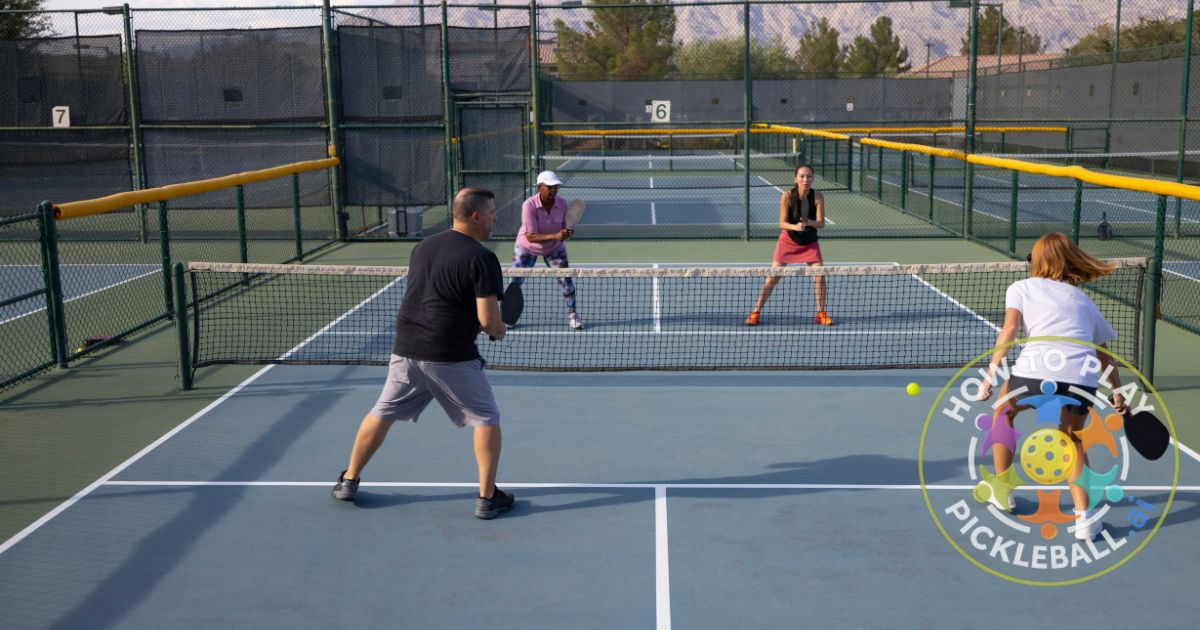
Both doubles partners should be at the kitchen line as much as possible. The team that holds the kitchen line controls the rally. The strategic goal of every team is to get both players to the kitchen line together — using the third shot drop to transition from the baseline safely. Once at the kitchen, hold your position. Do not retreat from the kitchen unless forced to by a deep lob — a team that gives up the kitchen is playing defense.
Communication: Calling Balls
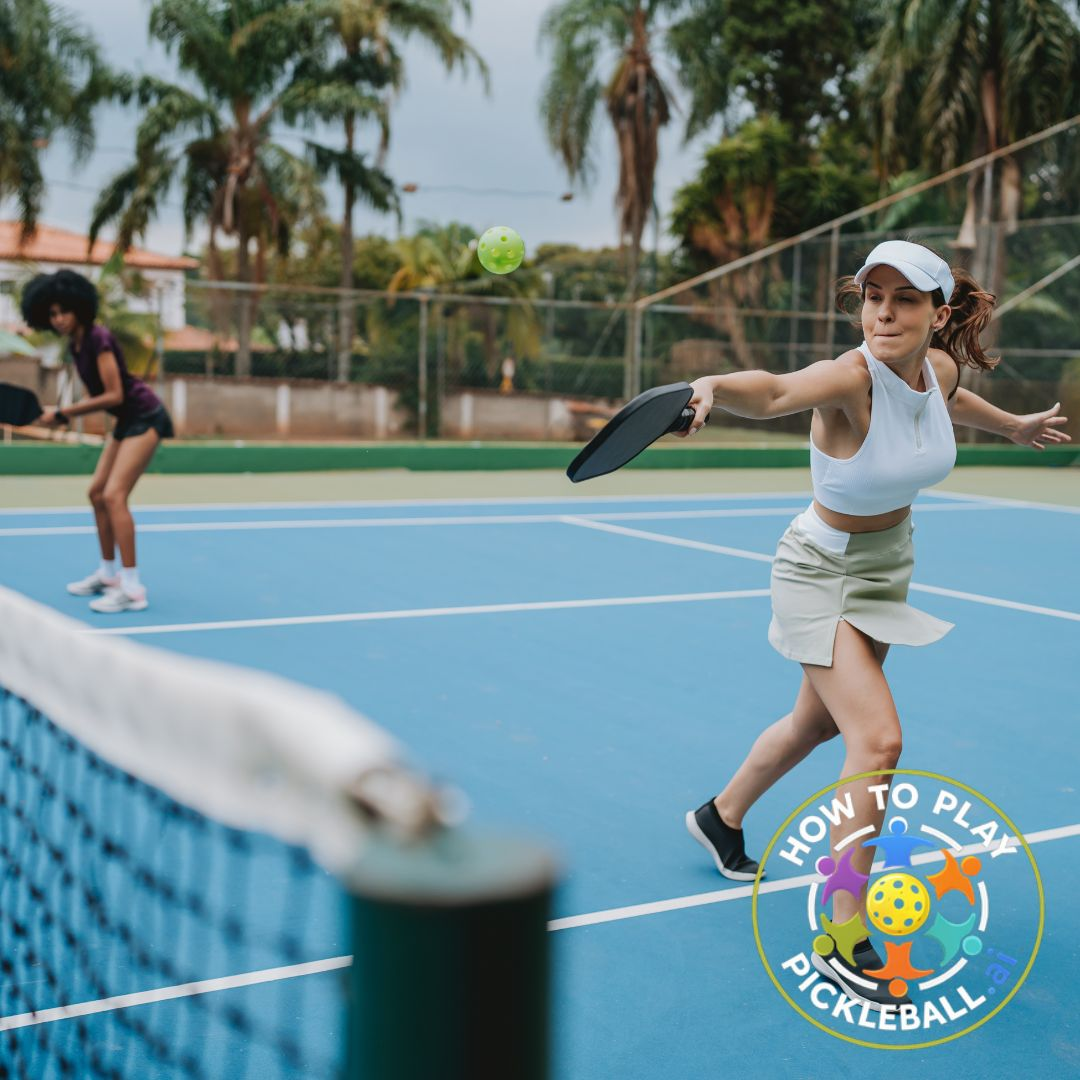
The most important communication in doubles is calling ‘mine’ or ‘yours’ on balls hit through the middle. Balls hit through the centerline between partners are the most common cause of miscommunication errors — either both players go for it (collision risk) or neither does (easy point for opponents). As a general rule, the player whose forehand side the ball is on should take centerline balls. Establish this convention with your partner before the game starts.
Targeting the Weaker Partner
In doubles, opponents often have unequal skill levels. Strategically directing shots to the weaker partner — especially on high-pressure situations — is standard competitive practice. This is not unsporting; it is rational targeting. At the recreational level, the weaker partner is usually identifiable by which side they protect (covering their backhand more aggressively) or which return they consistently miss. Exploit your opponents’ disparities rather than playing to the strength of the better partner.

The Erne and ATP for Advanced Teams
The Erne is a shot where a player jumps or runs around the post and hits the ball outside the court from a non-kitchen position. It is dramatic, effective, and legal. The ATP (around-the-post) is a shot that goes around the net post — also legal and difficult to defend. Both shots require situational awareness and athletic execution. They are appropriate strategic tools at the intermediate-to-advanced level once foundational kitchen play is consistent.
Managing Speed-Ups as a Team
When an opponent speed-ups from the kitchen, the targeted player’s first job is to reset the ball softly into the kitchen — not counter-attack at full pace. The partner’s job is to be ready for the reset and cover any deflections. A team that can consistently reset speed-ups and return to a neutral dinking position will outlast teams that try to trade pace indefinitely. Resets require trust between partners: the targeted player focuses on the ball, the other player holds position and anticipates.
Frequently Asked Questions
Who should take balls in the middle in doubles?
The player whose forehand side the ball is on should typically take centerline balls. Establish this agreement with your partner before play. In practice, the faster-reacting player often ends up taking middle balls — communication prevents collisions and missed balls in either case.
What is stacking in pickleball doubles?
Stacking is a positioning strategy where both players line up on the same side of the court before the serve, then move to preferred positions once the ball is in play. It is used to ensure each player receives the ball primarily on their forehand side regardless of which court position the scoring dictates. Stacking is legal and common at competitive levels.