
Pickleball Doubles Rules — How Team Play Works
Doubles is the format most pickleball players encounter first and play most often. The doubles format introduces rules that do not apply in singles — most notably the two-server system and the starting server convention. Beyond the rules, doubles has its own strategic language: stacking, poaching, and the importance of playing as a coordinated unit rather than two individuals sharing a court.
The Two-Server System
In doubles, each side has two servers per service game. Server 1 serves until they lose a rally, then server 2 serves from the other side. When server 2 loses a rally, the serve passes to the other team (a side-out). The serve then starts with server 1 on the new team. The score always includes a server number — called as three numbers: serving team score, receiving team score, server number. Example: 3-5-1 means the serving team has 3 points, receiving has 5, and server 1 is serving.
Starting Server Convention
At the start of each game, the first serving team begins with only one server, designated as server 2. When that server loses a rally, the serve immediately passes to the other team — there is no server 1 turn for the starting team’s first service game. This prevents the team that wins the coin toss from having a structural first-serve advantage. The server 2 designation only applies to the very first service game of a set — after that, all subsequent service games have two servers.
Positioning and Side Switching
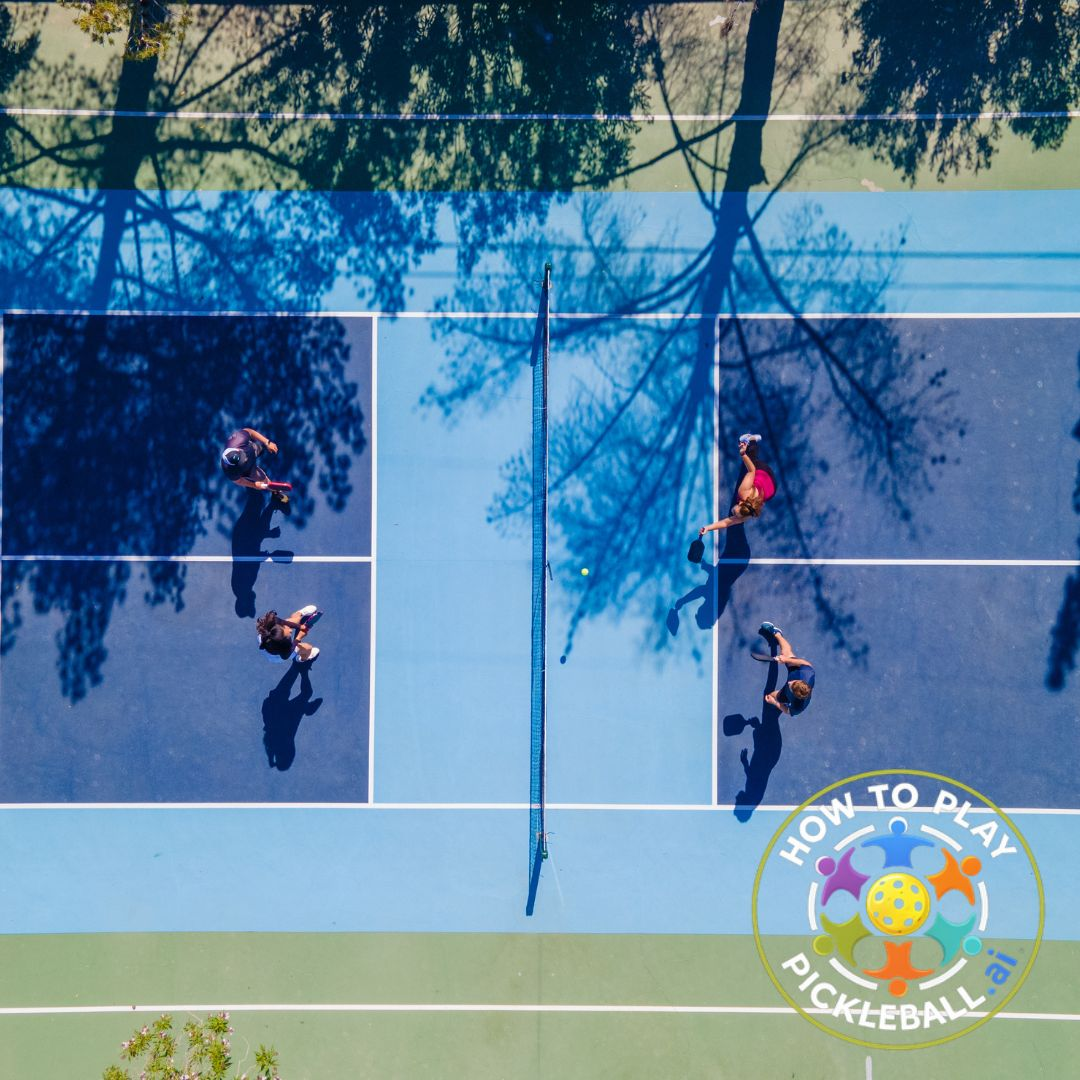
Partners do not have to stand in fixed positions on the court — they can stand anywhere on their side. However, the serve must originate from the correct service position relative to the score. After the serve lands, both teams can position freely. This creates the strategic option of stacking: both players line up on the same side before the serve, then move to preferred positions after the ball is in play. Stacking is legal and commonly used at competitive levels.
Who Receives the Serve
The receiving team must designate which player receives the serve at the start of a game, and that player receives all serves until a side-out. After a side-out, the receiving positions do not automatically switch — each team determines its own receiving order. Receivers must stay in their designated positions until the serve is struck but can move freely afterward.
Frequently Asked Questions
What is a side-out in pickleball doubles?
A side-out occurs when both servers on the serving team have lost their rallies. The serve then passes to the other team, who becomes the serving team. Side-outs are how the receiving team earns the opportunity to score.
Do partners have to switch sides in pickleball doubles?
No — partners do not automatically switch sides after scoring. Side switching in doubles happens based on positioning needs (such as after a stacking play) but is not mandatory. Players decide their court position freely, with the serve origin being the only position-dependent rule.
Can partners talk during a rally in doubles?
Yes — partners can and should communicate during play. Calling ‘mine,’ ‘yours,’ ‘bounce,’ or ‘out’ during a rally is legal and part of normal doubles coordination. Deliberate distracting communication directed at opponents is a fault, but normal partner communication is encouraged.