Pickleball Singles Strategy — How to Win Playing Solo
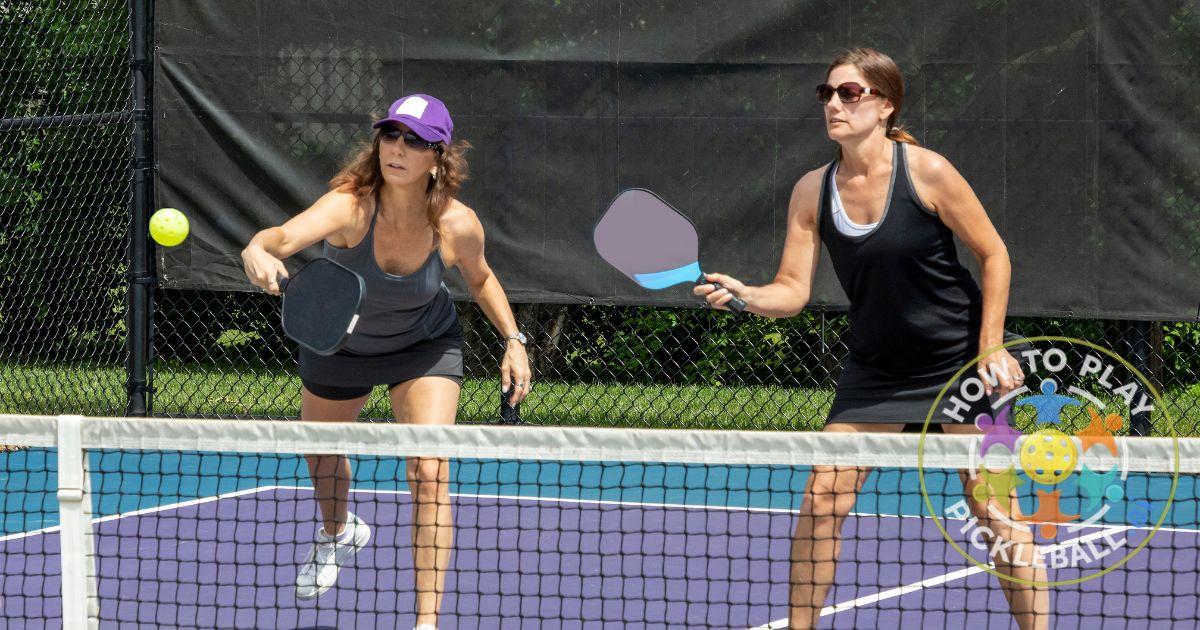
Singles pickleball is a physically demanding, tactically distinct game from doubles. With only one player covering the full court, positioning, stamina, and shot selection decisions change significantly. Many players who are strong in doubles struggle in singles because the court coverage requirements are so different. This guide covers the key singles strategies that make the difference in one-on-one play.
Court Coverage and Positioning
In singles, your default position is slightly behind the baseline near the center of your end. This gives you maximum coverage of both corners without overcommitting to either side. After each shot, return to the center position. The player who stays centered most consistently gives up fewer wide angles to their opponent. In doubles, the kitchen line is home — in singles, center-baseline is the starting position, with advancement to the kitchen only when the ball is truly attackable.
Power and Driving Strategy
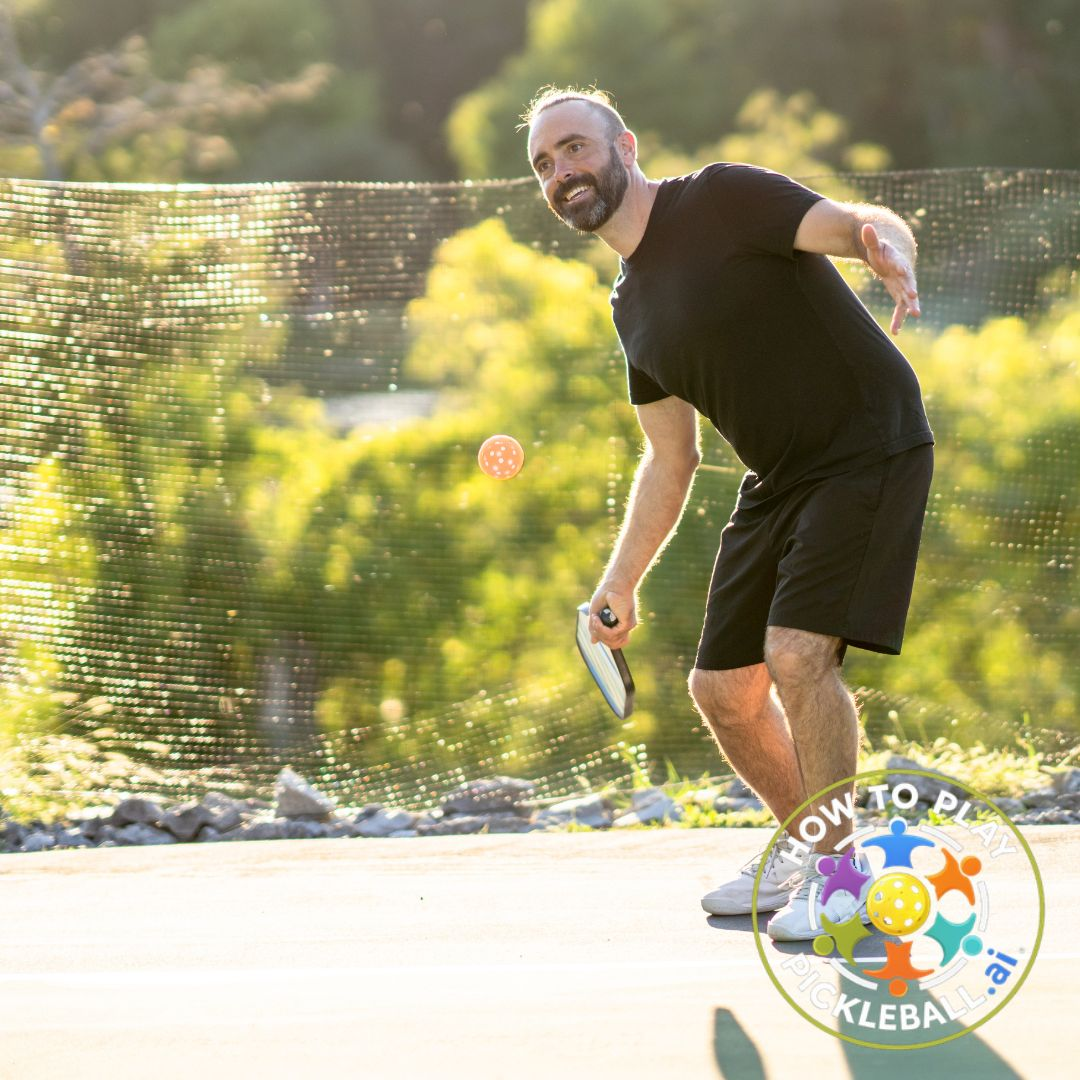
Singles rewards more power than doubles because there is only one opponent to defend. Deep, hard groundstrokes to the corners are more effective in singles because the opponent must cover a larger court. A well-placed drive that pushes the opponent behind the baseline creates an approach opportunity. In doubles, drives are often reset by the partner who was not targeted — in singles, there is no partner, so a clean drive to the corner puts your opponent in a difficult return position.
The Third Shot Drop in Singles
The third shot drop is still valuable in singles but less mandatory than in doubles. In doubles, both opponents are waiting at the kitchen — in singles, only one player is there. If the receiver rushes to the kitchen after the return, use the third shot drop to neutralize their kitchen position. If the receiver stays back, consider driving the third shot and following it to the net. Singles allows more flexibility in third shot strategy because you are reading one opponent, not two.
Stamina and Point Duration
Singles rallies tend to be shorter than doubles rallies but the overall physical demand is higher because you cover the entire court alone. Building stamina — through on-court drilling, footwork work, and cardiovascular conditioning — is a strategic asset in singles that has no direct parallel in doubles. In extended singles matches, the player in better cardiovascular condition often wins more points in the third set simply because their opponent’s footwork and shot-making degrade under fatigue.
Frequently Asked Questions
Is singles pickleball the same as doubles?
The rules are mostly the same, with a key scoring difference: in singles, the serve switches sides based on the server’s score (odd = left, even = right), and there is only one server per side. Tactically, singles is more power-oriented and physically demanding than doubles.
How do you serve in singles pickleball?
In singles, you serve from the right side of the centerline when your score is even and from the left side when your score is odd. The score determines which side you serve from — there is no server number. The serve must still go crosscourt into the opponent’s diagonal service box.