How to Dink in Pickleball — The Shot That Wins at the Kitchen
The dink is the shot that separates pickleball from every other racket sport. A soft, arcing shot from the kitchen line that barely clears the net and lands in the opponent’s kitchen, the dink neutralizes power and rewards patience. Learning to dink consistently — and to do it patiently — is the single biggest leap in any pickleball player’s development. This guide covers the mechanics, common errors, and the strategic thinking behind dinking.
Dinking Mechanics
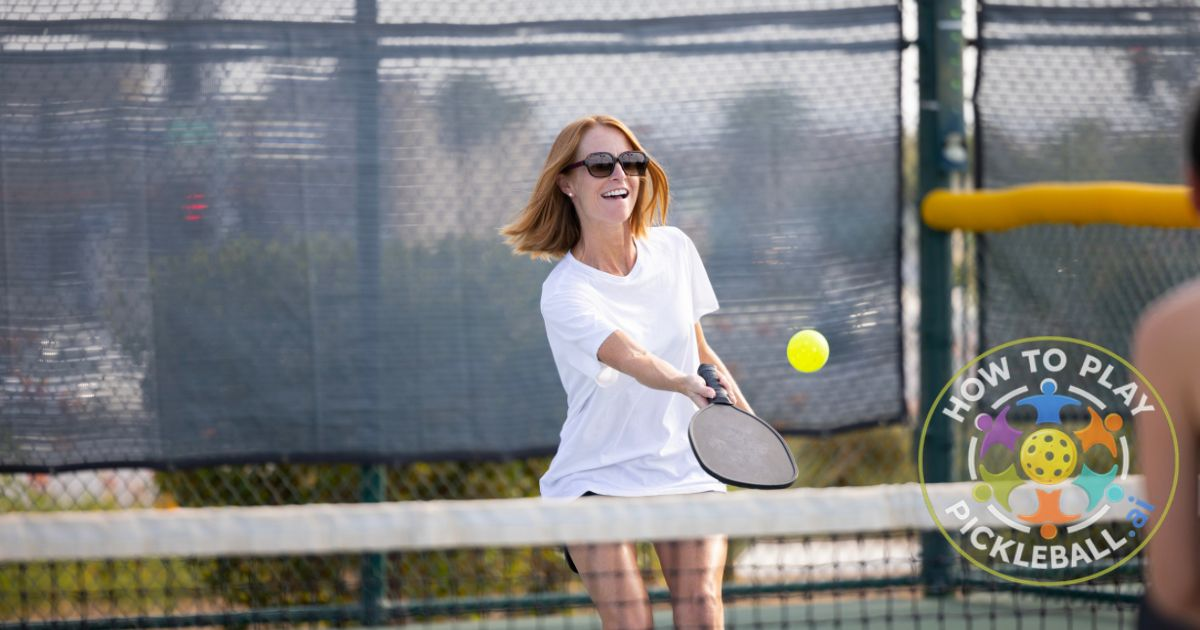
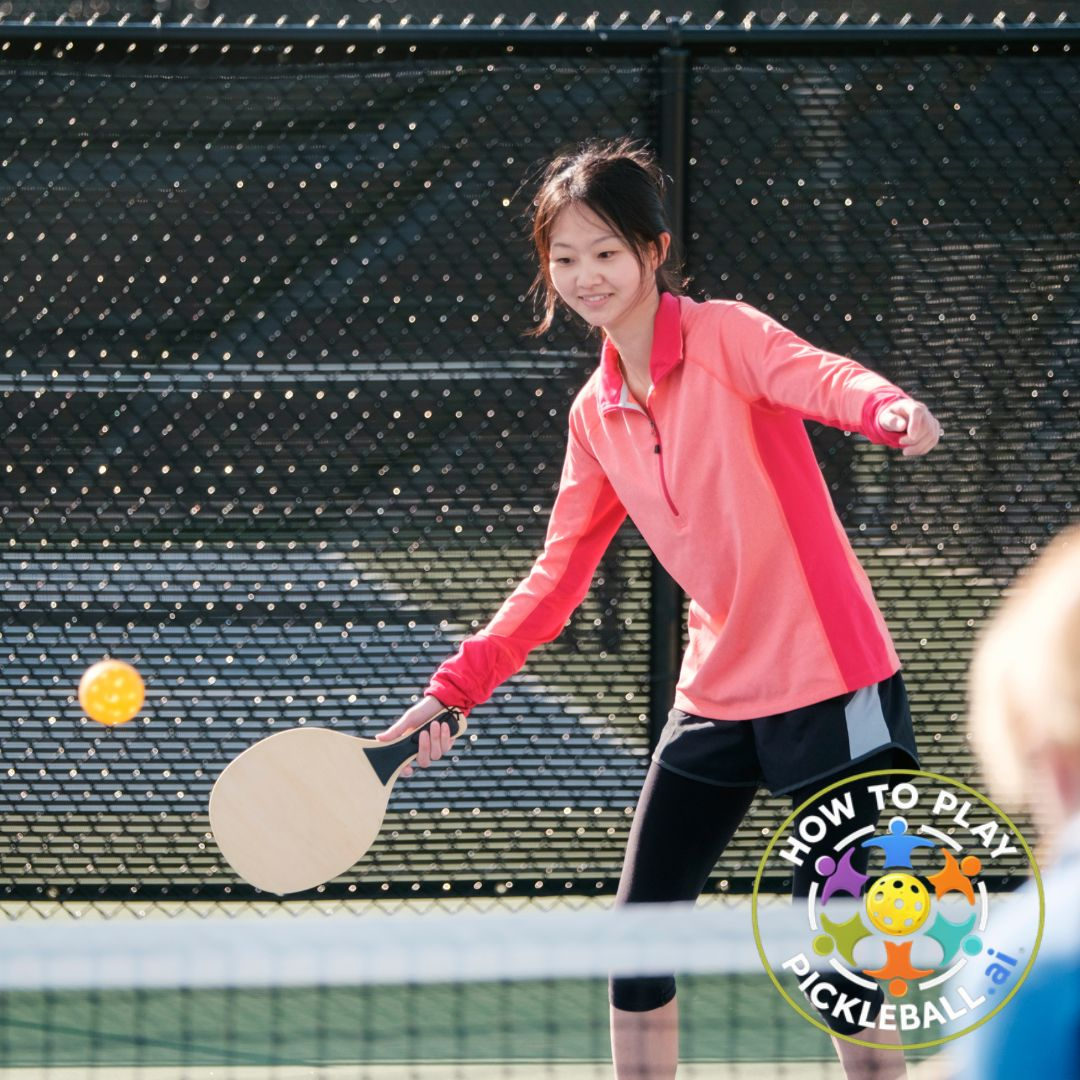
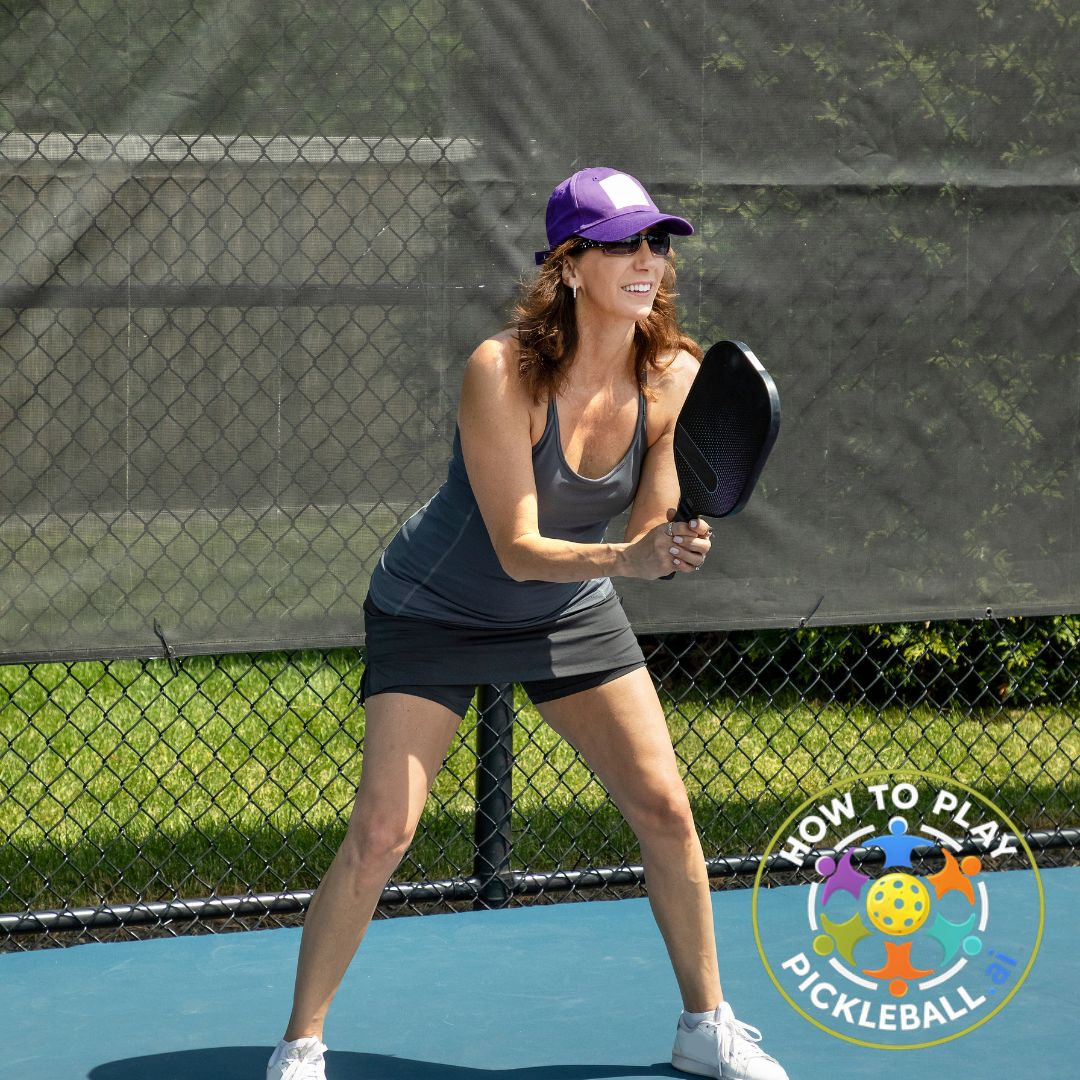
The dink is executed with a short, controlled swing starting from the shoulder, not the elbow. Stand at or near the kitchen line with your knees slightly bent and your weight forward. Hold the paddle with a relaxed grip — a tight grip kills touch. Swing from the shoulder with a small compact motion, making contact with the ball just below and ahead of your body. The ball should arc softly over the net and drop into the opponent’s kitchen. Follow through gently toward the target. The most important element is a relaxed grip and a patient, unhurried swing tempo.
Placement and Angles
The best dinks land close to the kitchen line in the opponent’s court, giving them a difficult upward contact angle on their return. Cross-court dinks travel a longer distance and clear the lowest part of the net (the center), making them more forgiving than straight-ahead dinks. Dinking to your opponent’s backhand side is typically more difficult for them than their forehand side — most players have weaker backhand dinks. Vary your placement between cross-court and straight-ahead to prevent the opponent from anticipating.
The Reset Dink
The reset is a defensive dink used when the ball is above the net and you are under pressure. Instead of trying to attack a ball that is at an awkward height or angle, you absorb pace and hit a soft dink that lands in the kitchen, resetting the exchange to neutral. The reset is not glamorous but it is one of the most valuable skills in pickleball — it prevents unforced errors when you are out of position. Take the pace off the ball, aim for the center kitchen line, and get back to a neutral position.
Common Dinking Mistakes
The most common dinking mistakes are: dinking too high and presenting the opponent with an attackable ball, using too much wrist and elbow (instead of shoulder-driven swings), gripping too tightly which kills the soft feel needed for touch, and attacking during the dink exchange before the ball is in a position to attack. A dink that clears the net by 6 to 12 inches and lands within a foot of the kitchen line is ideal — low enough to prevent easy attacks, high enough not to go in the net.
Frequently Asked Questions
What is a dink in pickleball?
A dink is a soft, short shot that arcs just over the net and lands in the opponent’s non-volley zone (kitchen). It is the primary shot in kitchen-line exchanges and is used to prevent the opponent from attacking by keeping the ball low and unattackable.
When should I dink instead of drive?
Dink when you are at the kitchen line and the ball is below net height or you do not have a clear attack angle. Drive (hit hard) when the ball is above the net and you have an angle to attack. The general rule: if you cannot attack aggressively without risk, dink to stay in the point.
How do I improve my dinking consistency?
Practice with a partner by standing at opposite kitchen lines and dinking back and forth with the goal of extending the exchange as long as possible. Focus on relaxing your grip, initiating the swing from the shoulder, and placing the ball low in the opponent’s kitchen. Consistency in dinking comes from slowing down and trusting the process — impatience is the dink killer.