Pickleball Solo Drills — Practice When You Have No Partner
Finding a practice partner is not always possible, but improving does not require one. Solo drills target mechanics, serve consistency, footwork, and reaction speed — all of which feed directly into your game. The key to useful solo practice is deliberate focus: each drill has a specific goal, and you track your results to measure progress. Here are the most effective solo pickleball drills.
Serve Practice (Solo — Most Valuable)
Serves are the one shot you can practice indefinitely without a partner. Set a target in the service box — a cone, water bottle, or tape mark near the baseline. Serve 50 balls per session, tracking how many land within two feet of the target. Vary between forehand court and backhand court. Add variation progressively: serve to the center, then the forehand corner, then the backhand corner. This is the highest-ROI solo drill in pickleball because the serve is 100 percent repeatable practice with immediate feedback.
Wall Drill (Reaction and Tracking)
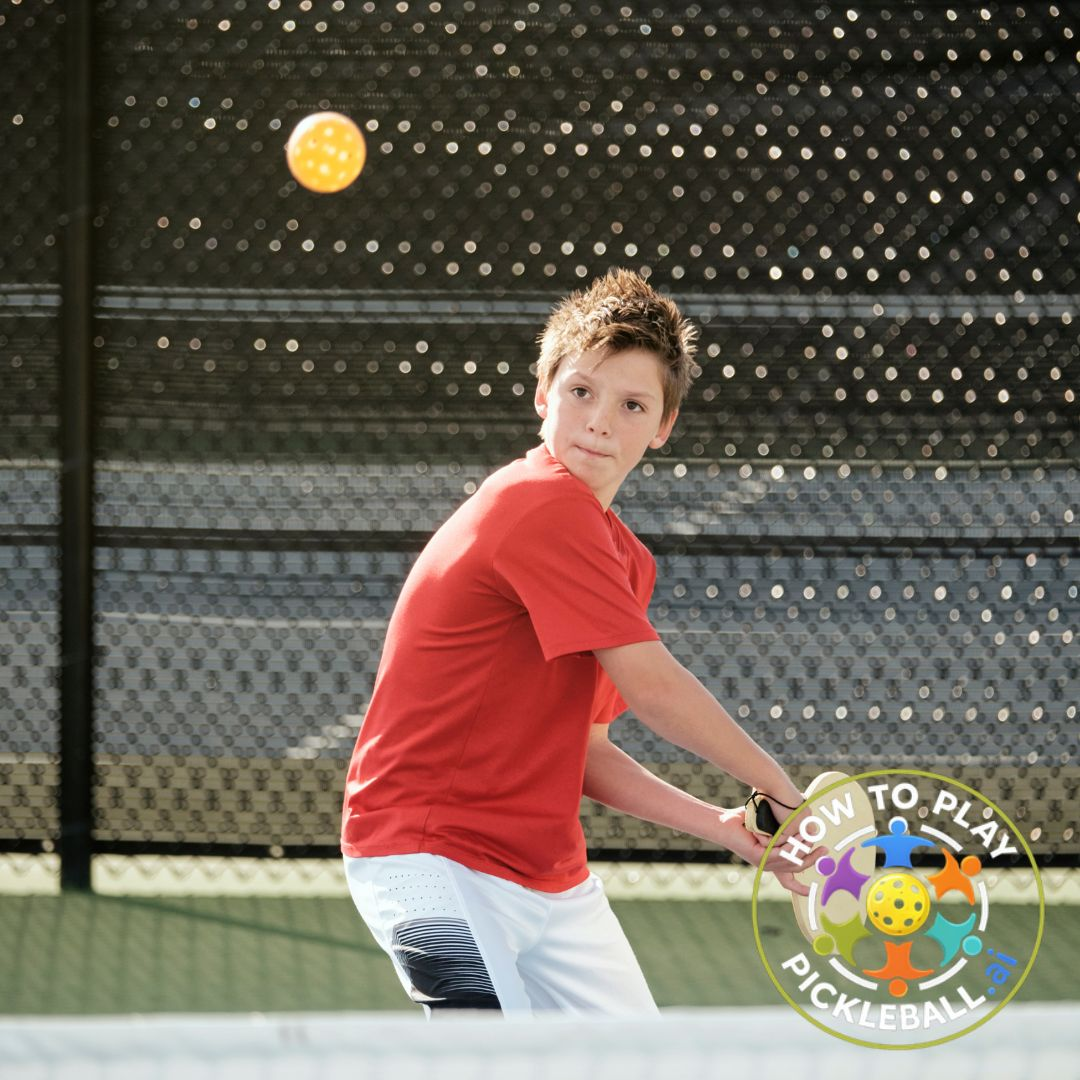
Hit the ball against a smooth wall or practice board at kitchen-line height. Keep the ball in play by volleying or letting it bounce off the wall and hitting again. Use a compact punch volley motion — no large swings. The wall drill trains eye-hand coordination, reaction time, and compact volley mechanics. It does not perfectly replicate pickleball ball flight (wall returns are faster and less arced), but it is excellent supplementary training for hand speed. Start with slow controlled hits and gradually increase pace.
Shadow Swing Mechanics (Daily Warm-Up)
Before any session — solo or with a partner — spend five minutes shadow swinging. Practice your dink motion (compact, shoulder-driven), your groundstroke swing (relaxed, hitting in front of the body), and your volley punch (compact, firm grip). Shadow drills prime correct movement patterns and are especially valuable for correcting specific mechanical errors you have been working on. Film yourself shadow swinging occasionally and compare to correct mechanics demonstrations.
Footwork Ladder Drills
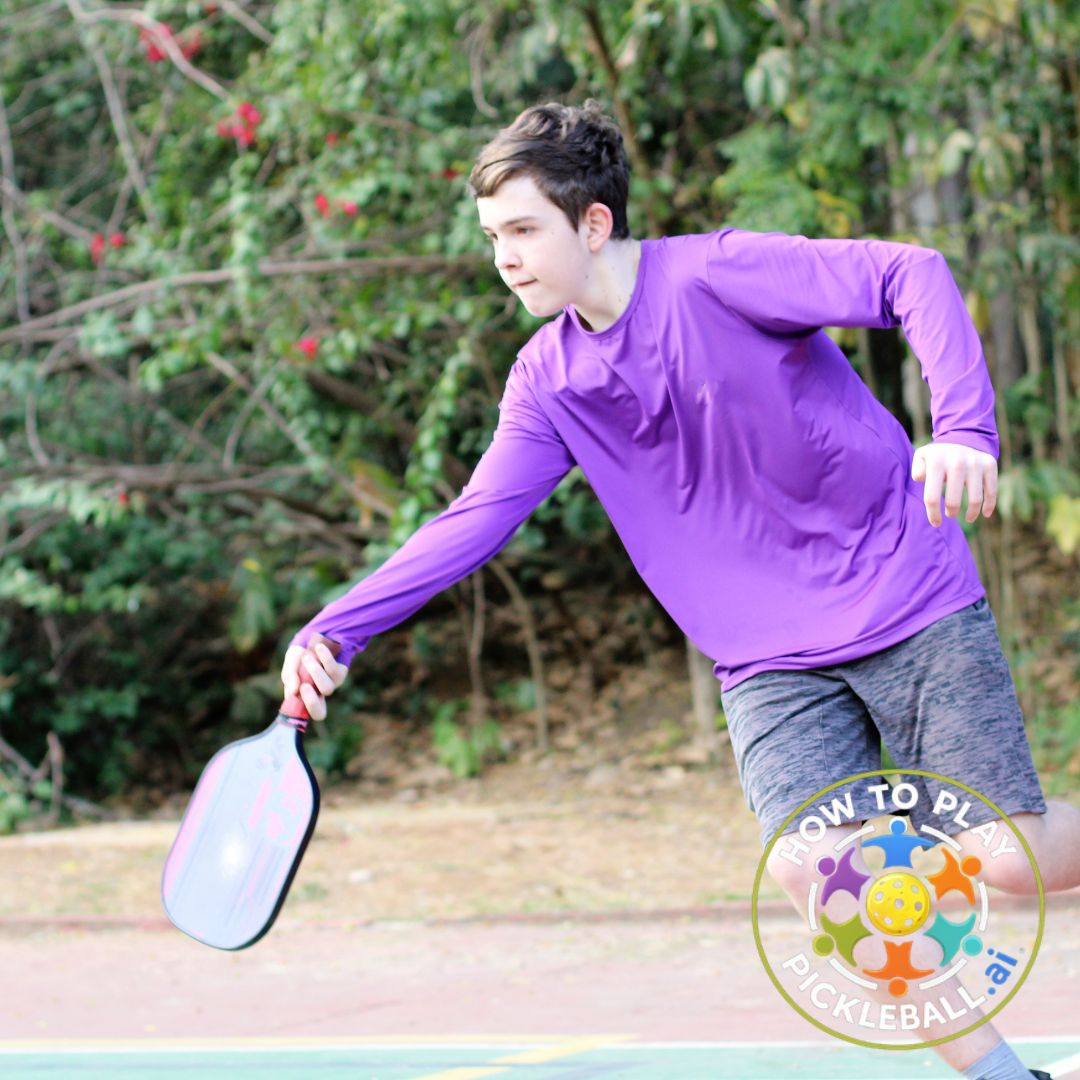
Use an agility ladder or tape marks on a driveway to practice the lateral shuffle, the split-step, and quick direction changes. The most useful pickleball footwork patterns: lateral shuffle (side to side along the kitchen line), the two-step approach (moving from baseline to kitchen in two quick steps), and the recovery step (moving back to reset position after advancing). Footwork drills off the court translate directly to better positioning on the court.
Frequently Asked Questions
Can I get better at pickleball by practicing alone?
Yes, but solo practice has limits. Serve practice, footwork drills, shadow swings, and wall drills all produce measurable improvement. Dinking, third shot drops, and strategic skills require a partner. The best development plan combines solo work with partner drilling and recreational play.
What equipment do I need for solo pickleball drills?
Serve practice requires only your paddle and balls. A practice wall or rebounder adds wall drills. An agility ladder costs $15 to $30 and adds footwork drills. Cones or water bottles work as serving targets. A basic setup costs under $50 for a complete solo practice kit.