The Pickleball Overhead Smash — When and How to Attack High Balls
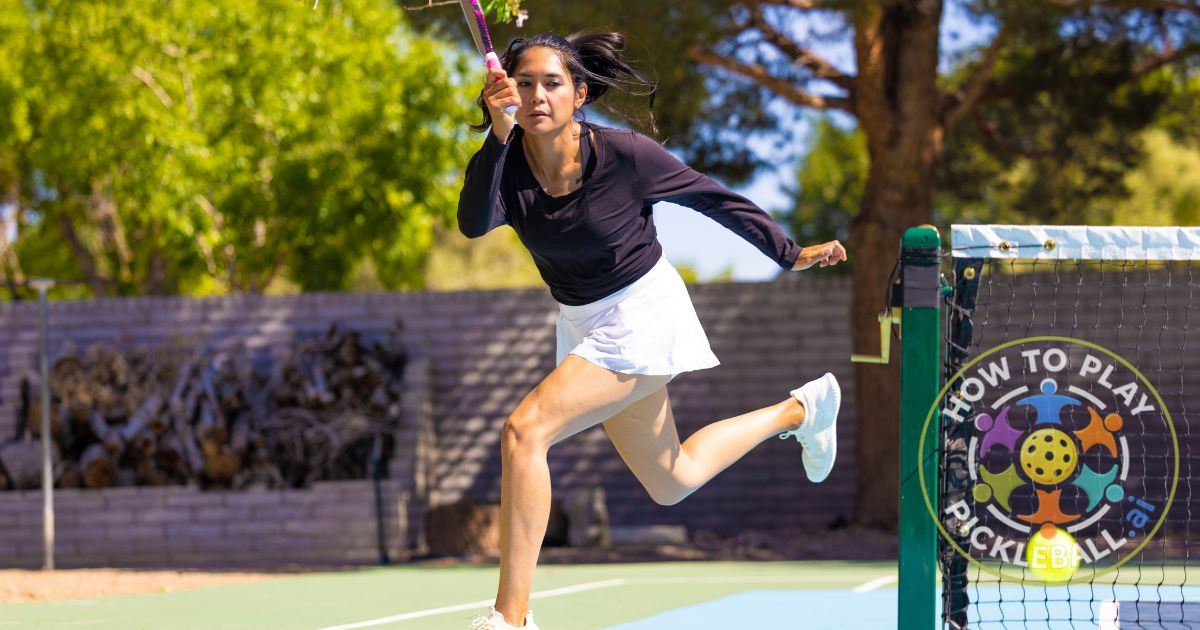
The overhead smash is the shot opponents fear most — a ball hit at full extension downward from above the head, typically in response to a lob. Executed correctly, it ends the point immediately. Executed poorly, it produces an unforced error on a ball you should have won. The overhead smash requires good positioning, proper mechanics, and the discipline to know when to let the ball bounce instead of swinging from a bad position.
Positioning for the Overhead
The overhead smash depends on getting under the ball correctly. As soon as you see a lob, turn sideways and move back — do not backpedal facing forward, which is slow and causes you to lose your footing. Point your non-dominant hand at the ball as a tracking guide. Set your feet so the ball will land slightly in front of and to your dominant side at full extension. Rushing the swing from a bad position is the most common overhead error — take the extra half-second to set your feet correctly.
Swing Mechanics
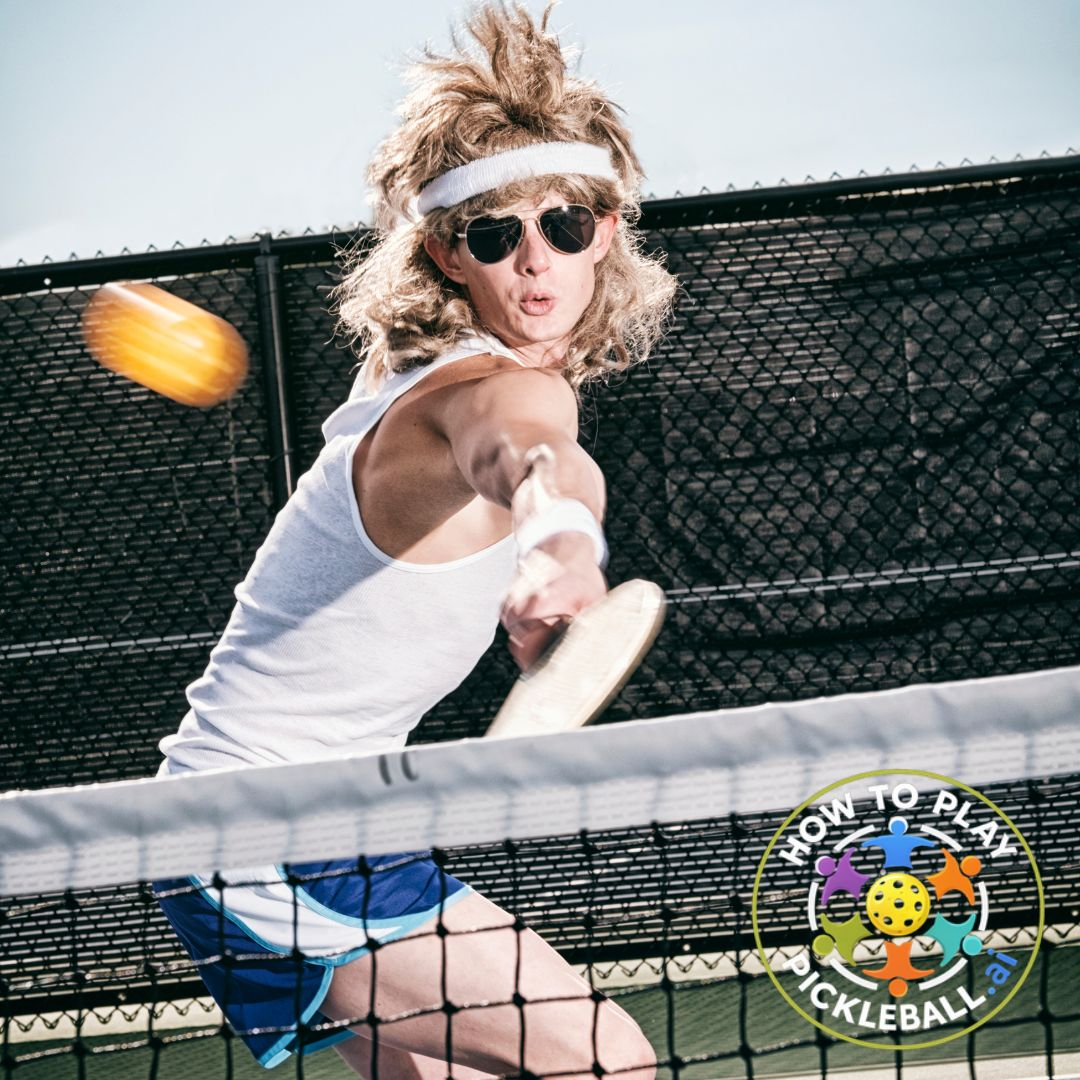
The overhead swing is similar to a serve motion: arm extended, paddle pointing up, and a whipping motion through contact. Make contact at full arm extension above and in front of your head. Snap your wrist downward through the ball to generate pace and a sharp downward angle. Aim for the open court or directly at the opponent’s feet. The downward angle is what makes the overhead so difficult to return — it attacks the opponent’s feet from above rather than traveling on a flat or upward trajectory.
When to Let the Ball Bounce
Not every lob should be smashed from the air. If the lob is very deep and forces you to hit the ball behind your shoulder, it is often smarter to let it bounce and then drive it or drop it from the baseline. Swinging at a ball that is behind your head from a cramped position produces inconsistent results and often sets up an easy reply for your opponent. Let deep lobs bounce when you cannot reach a comfortable position — this is playing the percentages, not retreating.
Where to Aim Your Overhead
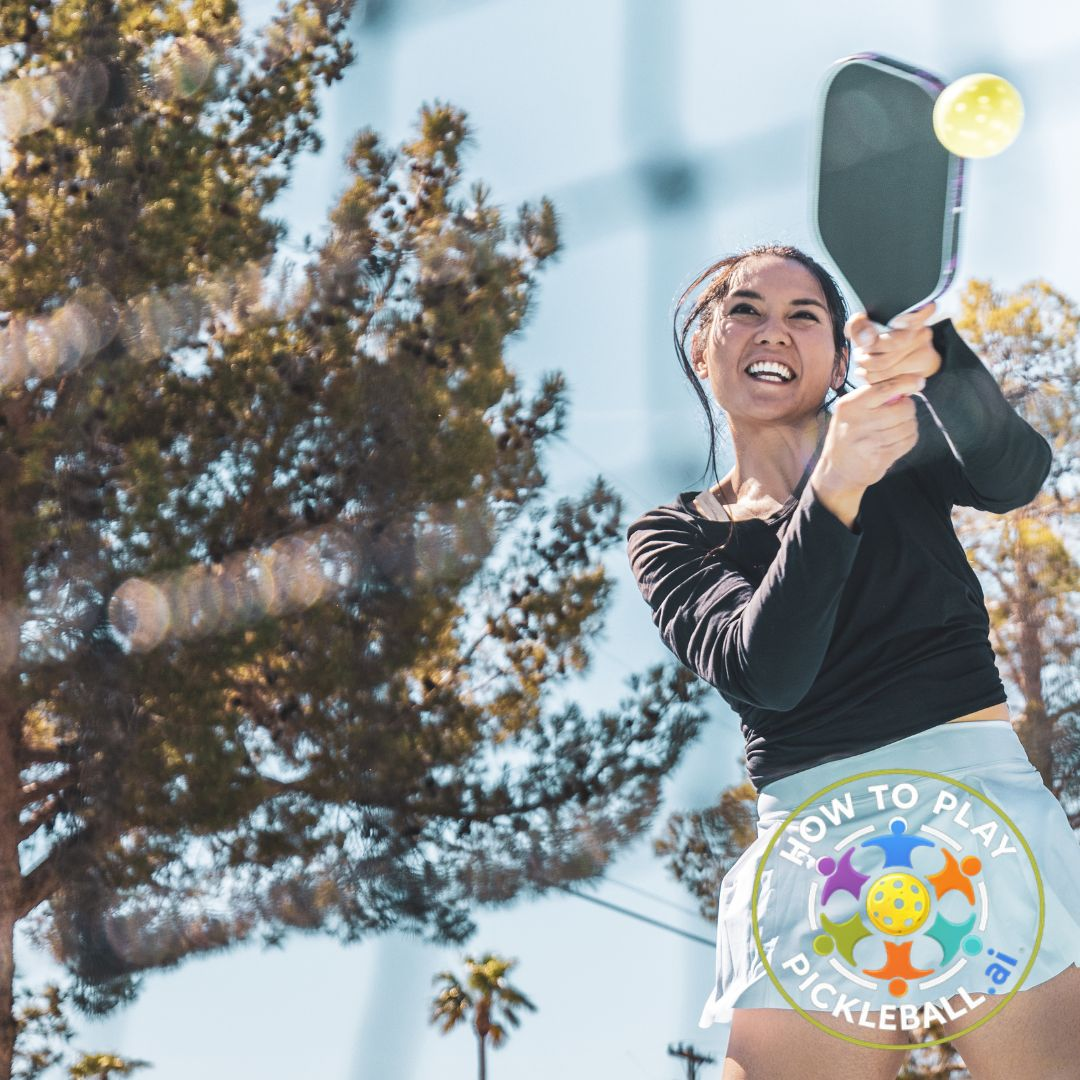
The most effective overhead targets are: the open side of the court (if one player is out of position), directly at the opponent’s feet (hardest to handle), and sharply angled to the sideline (minimal reaction time). Avoid smashing at an opponent’s paddle at full extension in front of them — they have more time to react and block. Aim at body-level or lower, and give yourself enough court to make contact rather than going for the line every time.
Frequently Asked Questions
Is there a legal overhead smash in pickleball?
Yes — overhead smashes are legal anywhere on the court except while standing in the kitchen (non-volley zone). You can smash a ball that bounces in the kitchen after it has landed, but you cannot volley-smash from inside the kitchen line.
What do I do if my opponents keep lobbing?
Work on your overhead footwork so you can get into position quickly. Also consider moving your ready position slightly back from the kitchen line — this gives you more time to react and track lobs. Consistent overhead smashing from good positioning discourages opponents from lobbing over time.
Should I smash every lob?
No. Smash only lobs you can reach comfortably with good body positioning and full arm extension. On deep lobs that force you behind your comfortable hitting zone, let the ball bounce and reset from the baseline. A controlled baseline shot is better than a rushed overhead from a bad position.