How to Volley in Pickleball — Kitchen Line Mastery
Volleys — shots hit before the ball bounces — are the primary weapon at the kitchen line in pickleball. The team that controls the kitchen line with consistent, well-placed volleys wins most rallies. But good volleying at the kitchen requires different mechanics than groundstrokes: compact swings, fast hands, quick paddle positioning, and the discipline to punch rather than swing. This guide covers how to volley effectively across every kitchen line situation.
The Punch Volley — Your Primary Kitchen Shot
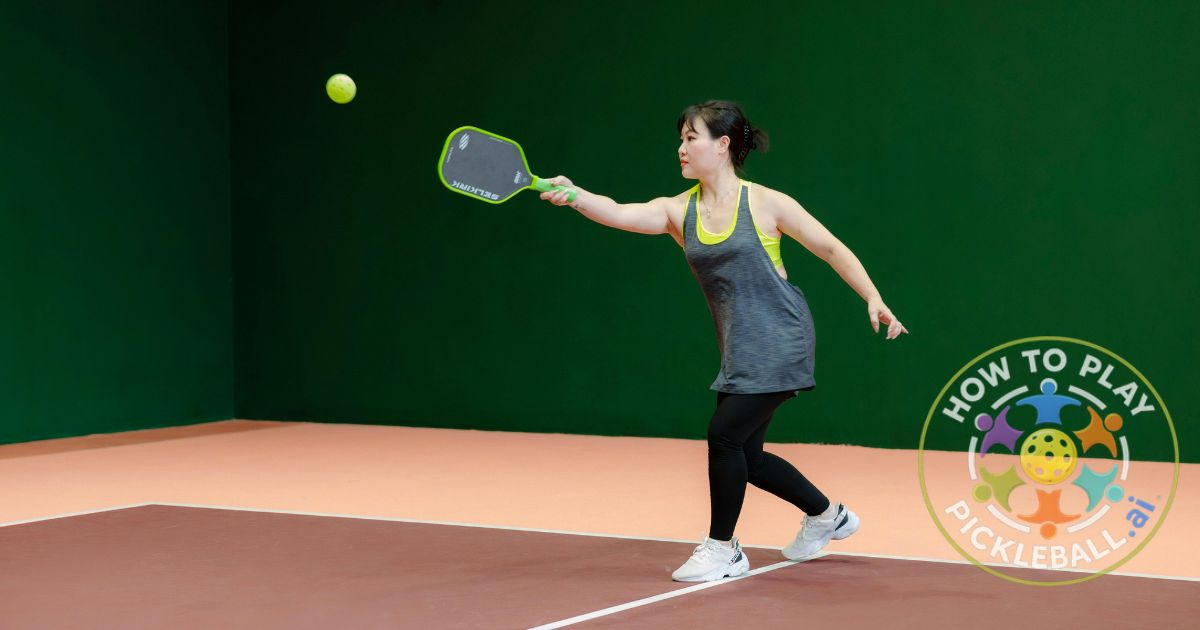
The punch volley is the standard kitchen line volley: a short, compact forward punch with a firm but relaxed grip. Stand at the kitchen line with your paddle up and out in front of you. When the ball comes, meet it in front of your body with a short punching motion — no backswing, no follow-through longer than a foot past contact. The power comes from the brief acceleration of the punch, not from a large swing. Direct the ball deep to the opponent’s feet or sharply angled to open space.
The Speed-Up Attack
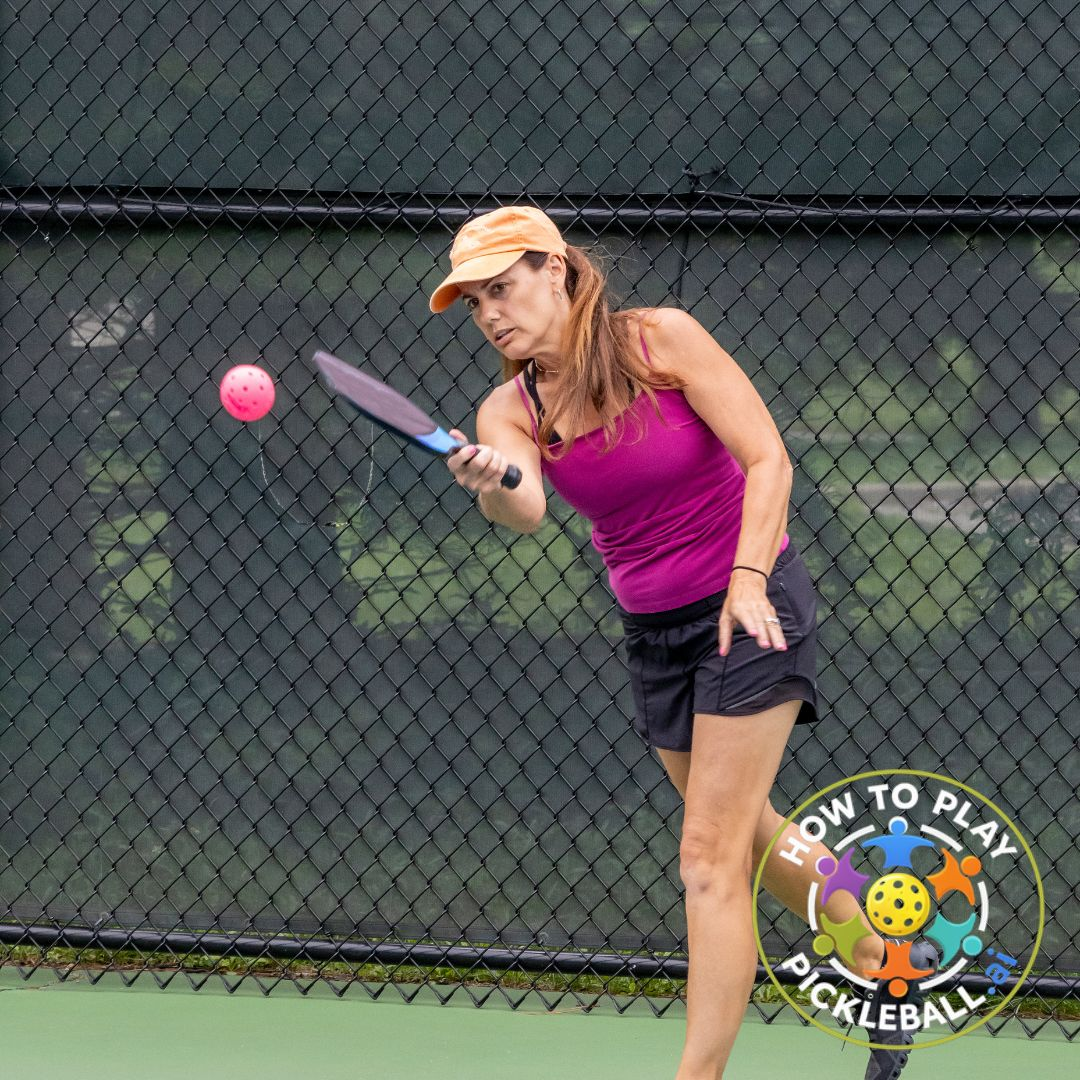
The speed-up is an aggressive volley intended to win the point outright by increasing pace dramatically. It is used when the opponent dinks a ball that rises above the net — giving you a ball you can drive downward. Accelerate quickly through the ball with a firm grip, directing it to the opponent’s feet or away from their reach. The speed-up works best when aimed at the opponent’s hip on their non-dominant side, which gives them the most difficult contact angle. The risk: if the speed-up is not placed well, a skilled opponent can reset it and put you back on defense.
Paddle Position and Ready Position
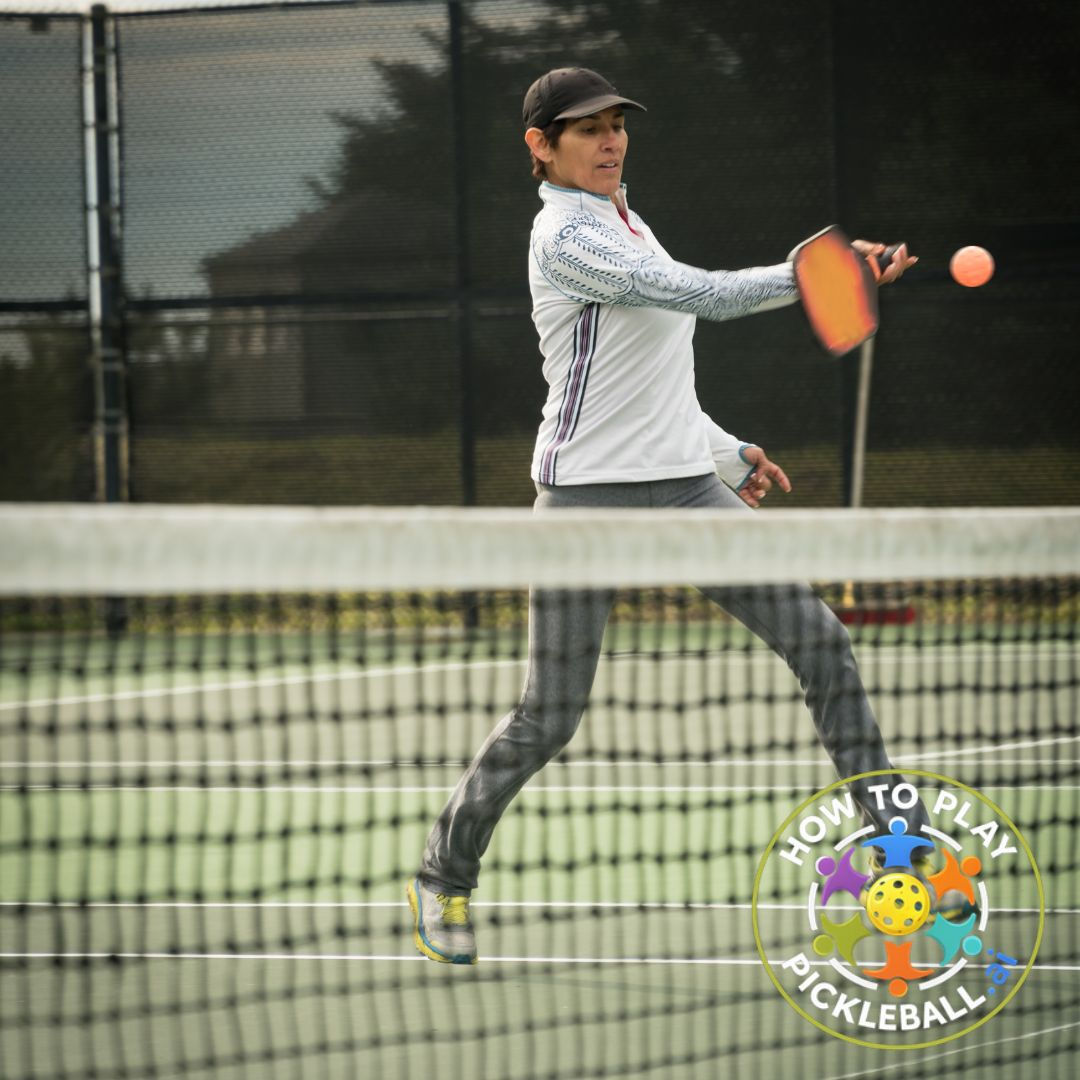
Good kitchen line play starts with your ready position: paddle up, out in front of your body at chest height, slightly to the dominant side. This position gives you the fastest reaction time on balls hit at you with pace. Players who let the paddle drop between shots add reaction time and miss more balls. Your feet should be shoulder-width apart with slight knee bend. Stay on the balls of your feet to move laterally to balls that are wide.
Resetting from the Volley
When a ball is hit at you hard from close range, the instinct is to volley back with the same pace — which often leads to an error. The correct play is the reset volley: absorb the pace by softening your grip at contact and directing the ball into the opponent’s kitchen. Think of catching the ball with your paddle rather than hitting it. A well-executed reset volley takes the pace off a fast exchange and returns the rally to a neutral dinking situation where you can reassert control.
Frequently Asked Questions
What is a volley in pickleball?
A volley is any shot hit before the ball bounces. Volleys from the kitchen line are the primary offensive weapon in pickleball. You cannot volley while standing in the kitchen (non-volley zone) — you must be completely behind the kitchen line to volley legally.
How do I get faster hands at the kitchen line?
Keep your paddle up in a ready position between shots. React to the ball with a compact punch rather than a large swing. Practice reaction drills where a partner feeds rapid balls at your body alternating forehands and backhands. Speed at the kitchen is primarily about eliminating unnecessary motion, not about physical quickness.
Should I use a lot of wrist when volleying?
No — excessive wrist at the kitchen produces inconsistent direction and often results in balls going into the net or wide. Use a firm wrist at contact, generating power from the arm’s acceleration rather than flicking the wrist. Some top-spin shots use slight wrist, but the standard punch volley is a wrist-firm motion.