Pickleball Backhand Technique — Fix Your Weakest Shot
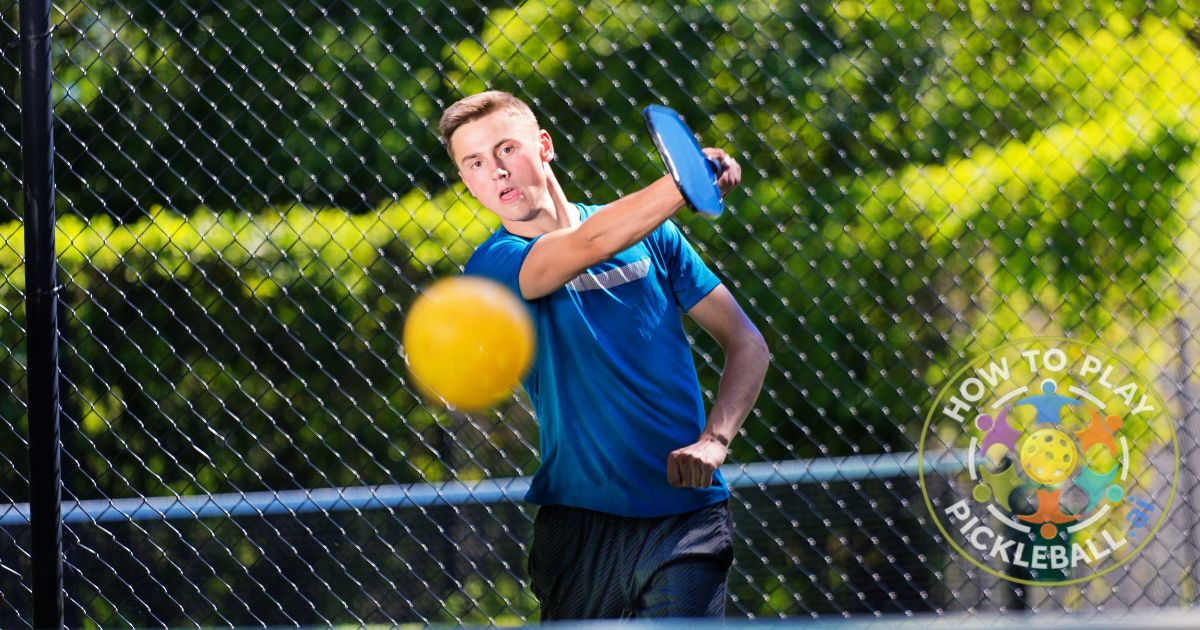
The backhand is the shot most recreational pickleball players avoid — often by running around it to use their forehand. But avoiding the backhand creates predictability and leaves obvious gaps in your game that better opponents will exploit. A reliable two-handed or one-handed backhand, executed with proper mechanics, transforms your defensive and kitchen-line game. This guide covers backhand mechanics for every situation.
One-Handed vs Two-Handed Backhand
Both are legal and both are used at competitive levels. The one-handed backhand offers more reach and is generally preferred for dinking and soft shots at the kitchen line — the single hand allows finer touch and angle manipulation. The two-handed backhand (borrowed from tennis) provides more power and stability on groundstrokes from the baseline but limits reach. Players coming from tennis often prefer two hands on groundstrokes; players who learned pickleball first often prefer one hand throughout. Experiment with both and commit to the one that feels more natural.
Backhand Dink Mechanics
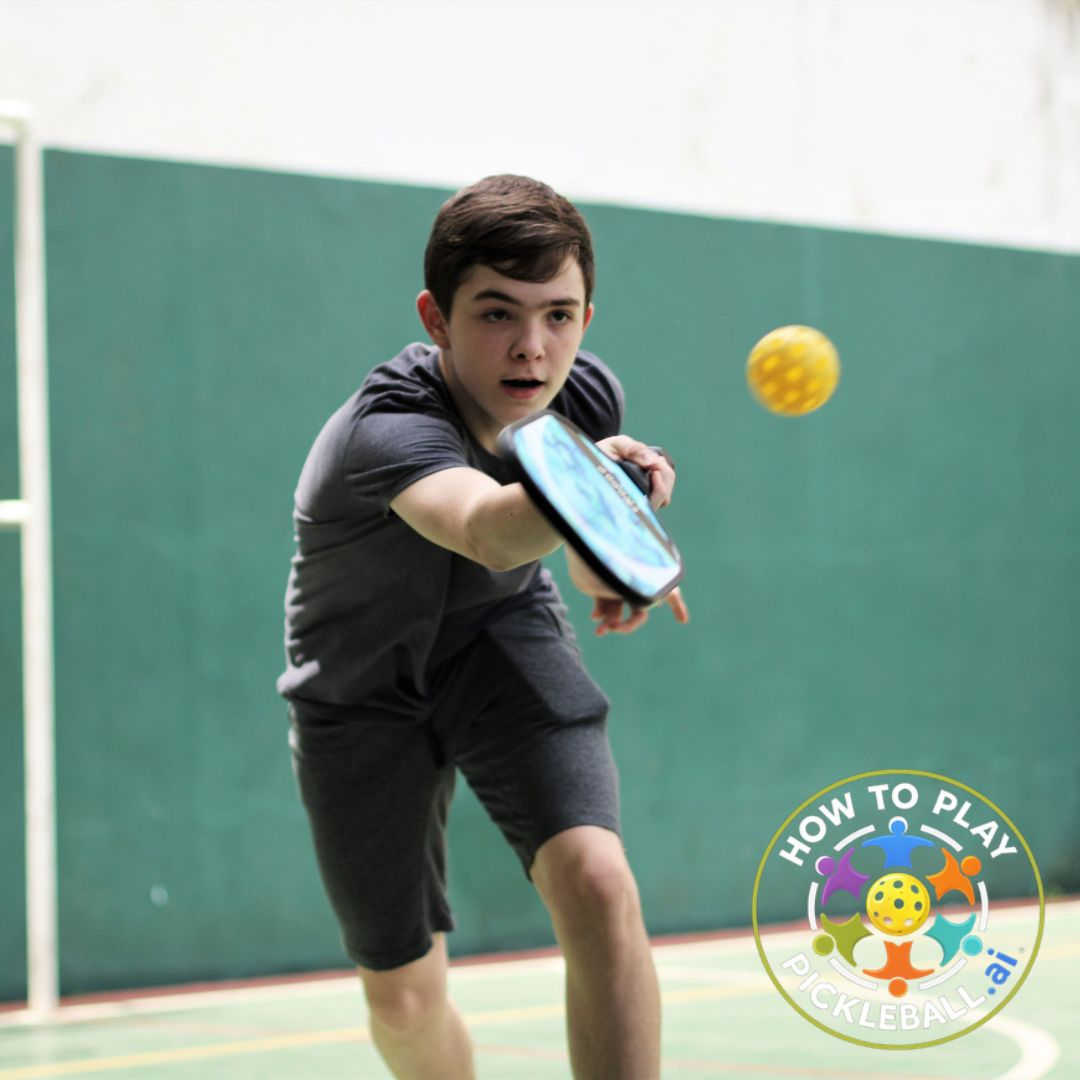
The backhand dink requires the same shoulder-driven, relaxed-grip mechanics as the forehand dink, applied to the non-dominant side. Face the net slightly more sideways to open the backhand side. Hold the paddle face open (angled slightly upward) to generate lift without swinging hard. Swing from the shoulder with a compact stroke. Many players grip too tightly on the backhand, which kills touch — practice consciously relaxing your grip on the non-dominant side to develop feel.
Backhand Groundstrokes from the Baseline
From the baseline, drive through the ball with a full swing, making contact in front of your body. For a two-handed backhand, the non-dominant hand does most of the work on the swing. For a one-handed backhand, rotate your shoulder through the shot for power. Aim to take the ball slightly in front of your lead foot rather than beside or behind your body — late contact on the backhand produces weak, pushed shots. Follow through across your body toward your target.
Backhand Volley at the Kitchen Line
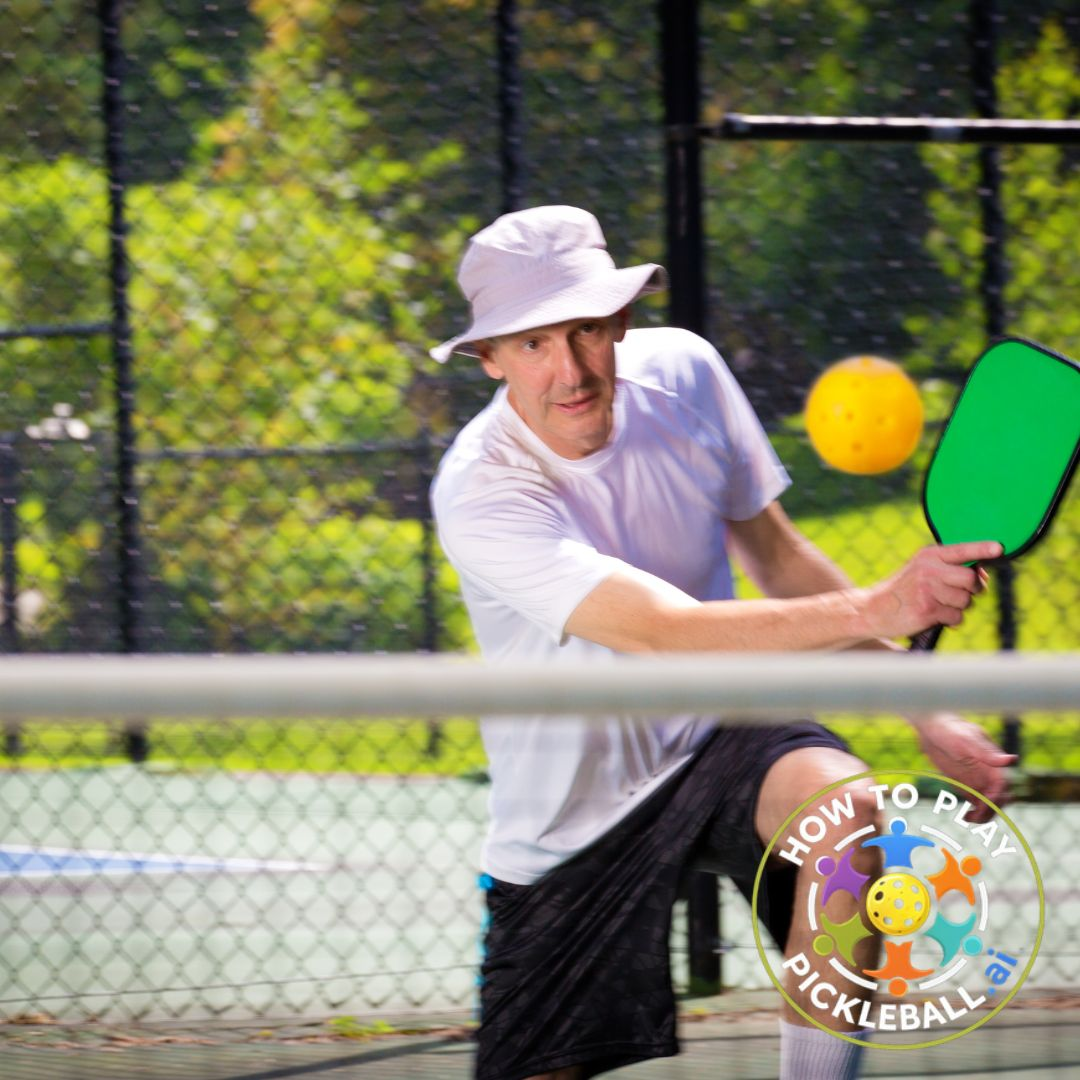
The backhand volley at the kitchen line should be a short, punching motion with a firm but not tight grip. Meet the ball out in front of your body and punch through it with a compact follow-through. Avoid large backswings on volleys — there is no time for them at the kitchen line. The backhand volley is often used to reset pace when under pressure: absorb the ball with a soft grip and redirect it gently into the opponent’s kitchen.
Frequently Asked Questions
How do I improve my pickleball backhand?
Deliberately practice it instead of running around it. Ask a partner to feed balls to your backhand side. Focus on relaxing your grip, making contact in front of your body, and using your shoulder rather than just your wrist and elbow. Consistency comes from repetition, not technique adjustments alone.
Is a two-handed backhand legal in pickleball?
Yes, two-handed backhands are legal in pickleball. You can use any number of hands on the paddle during play. Two-handed backhands are common among players who transitioned from tennis.
Why is my backhand weaker than my forehand?
Primarily because you practice the forehand far more. The backhand uses a less natural rotation pattern for most people, and the non-dominant hand’s motor skills are less developed. Targeted backhand practice — not just playing and hoping it improves — is the fastest route to a more balanced game.