How to Serve in Pickleball — Technique and Common Mistakes
The serve in pickleball is the only shot you have complete control over — no opponent is forcing you to react, and you set the pace from scratch every rally. A consistent, well-placed serve reduces unforced errors and puts pressure on the receiver from the first shot. This guide covers legal serve mechanics, common mistakes, and how to develop placement and spin once your serve is reliable.
The Legal Underhand Serve: Step by Step
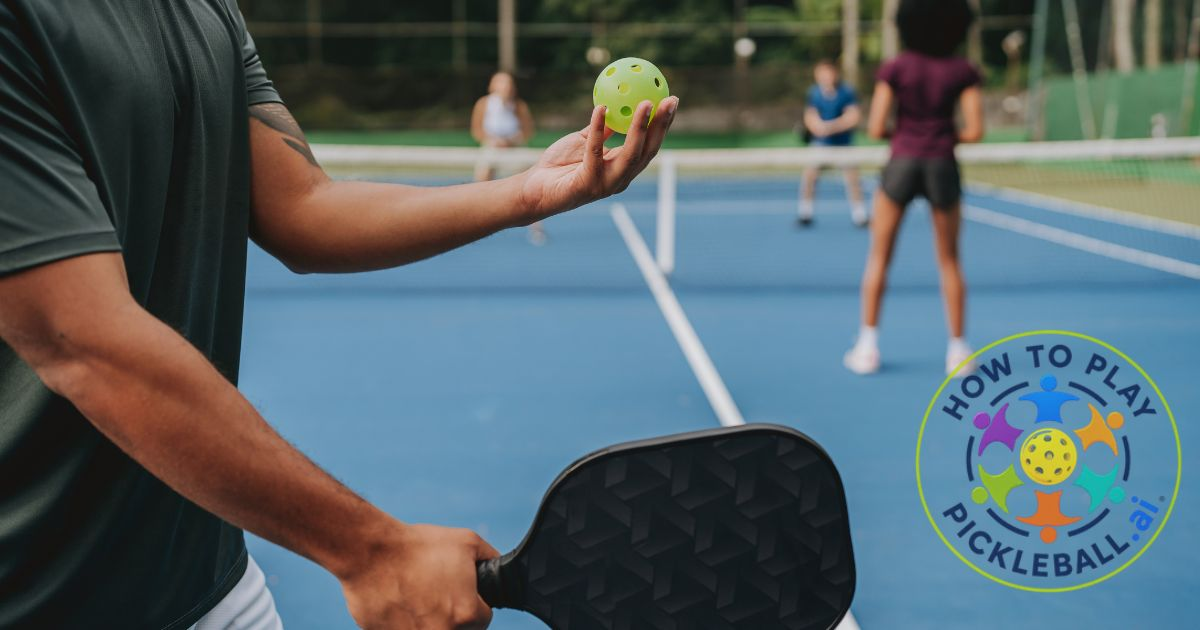
Stand behind the baseline with one foot slightly forward. Hold the ball at or below your waist — do not toss it upward. Swing your paddle arm upward in a smooth arc, making contact with the ball below your waist. Follow through toward your target. The ball must travel crosscourt into the opposite service box and clear the kitchen and its line. The whole motion should feel natural and relaxed — tension in the arm produces inconsistent contact.
The Drop Serve Alternative
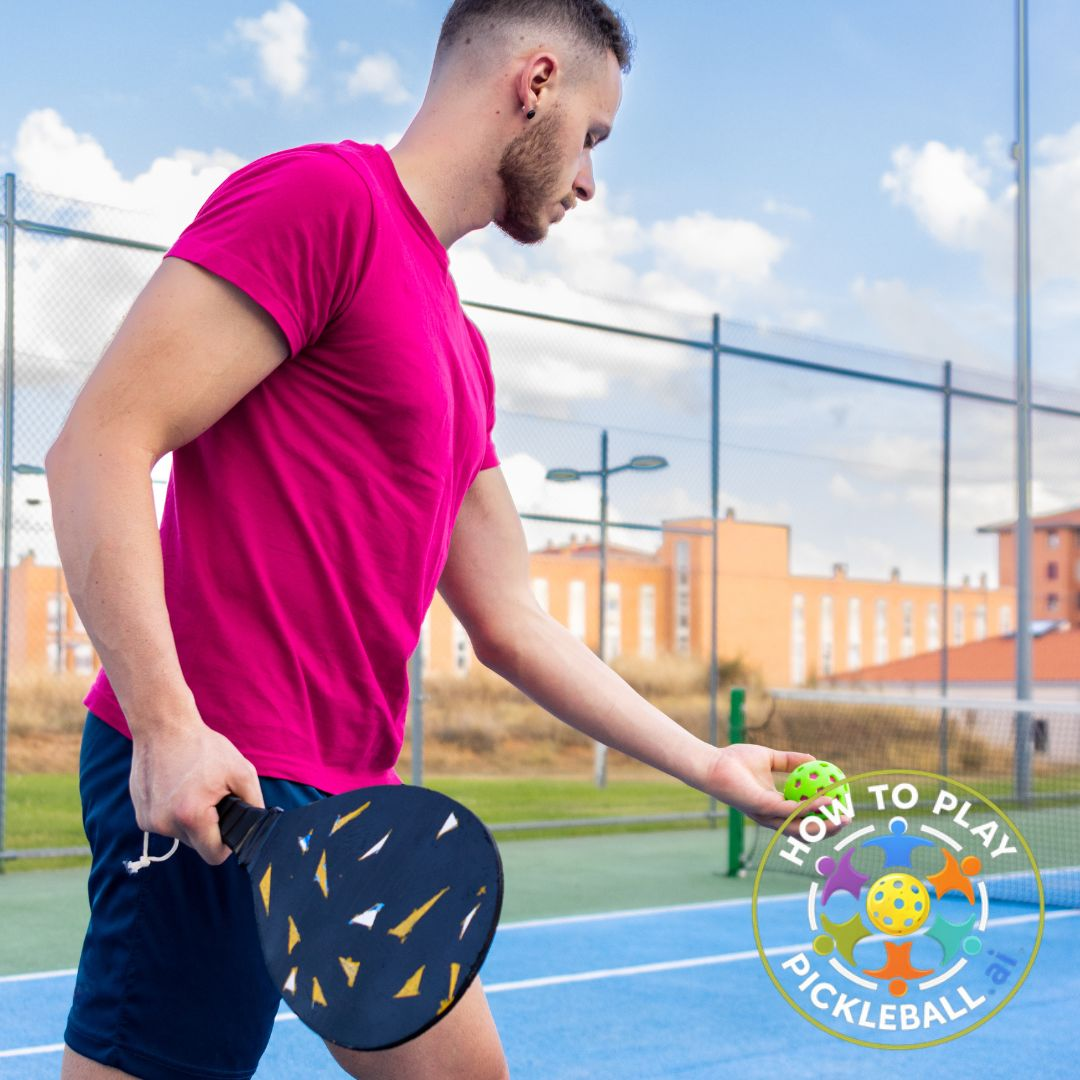
The drop serve was made permanent in the official rules and provides more flexibility for players who struggle with the underhand volley serve. To execute: drop the ball from natural hand height — no throwing or extra toss — and let it bounce once. After the bounce, you can swing at the ball with any motion, including a more natural groundstroke-style swing. The ball must still land crosscourt in the correct service box. Many beginners find the drop serve easier to make consistent.
Placement: Deep and Wide
The most effective beginner serve strategy is simple: hit it deep and in. A serve that lands near the baseline pushes the receiver back and reduces their angle for a return. As you develop consistency, experiment with wide serves to the backhand corner (most players’ weaker side) and occasional short serves to disrupt rhythm. Mixing depth and placement — rather than trying to hit winners off the serve — is the foundation of effective serving in pickleball.
Common Serve Mistakes
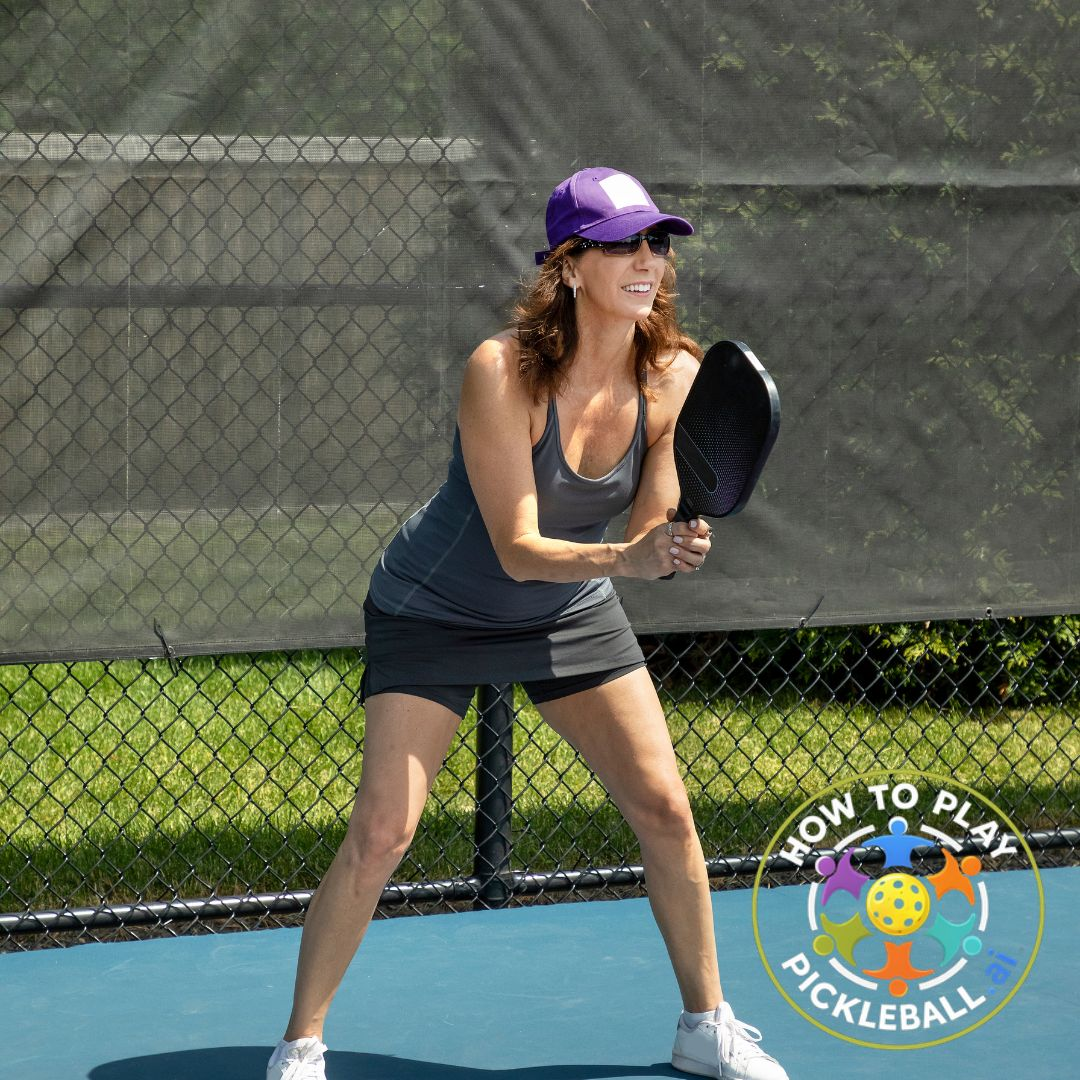
The most common beginner serve mistakes are: serving too short (landing near the kitchen instead of deep), serving with excessive power that causes the ball to go wide or long, gripping the paddle too tightly which reduces feel and consistency, and failing to keep the swing path upward through contact. A serve that consistently lands in the service box — even if it is not deep — is better than an occasional deep serve mixed with frequent faults. Build consistency first, then add depth and spin.
Adding Spin to Your Serve
Topspin and sidespin can make your serve harder to return by affecting the bounce direction. Topspin is generated by brushing up the back of the ball through contact. Sidespin is generated by brushing across the ball sideways. Both require a slightly open or closed paddle face at contact. Spin serves are an intermediate-to-advanced technique — add them only after your flat serve is highly consistent. Illegal spin serves (spinning the ball before dropping it, or using two hands) are common beginner errors to avoid.
Frequently Asked Questions
Can you spin the ball before serving in pickleball?
No — imparting spin to the ball before dropping or striking it is illegal. The ball must be released without spin from the non-paddle hand. You can legally generate spin through your swing at contact.
What is the most common serve fault?
Serving into the kitchen (non-volley zone) is the most common serve fault for beginners. The ball must clear both the kitchen and the kitchen line. Aim for a target in the back half of the service box to give yourself more margin.
Should I use the drop serve or the volley serve?
Use whichever produces more consistent results for you. Many beginners find the drop serve easier because they can use a more natural swing. Competitive players often prefer the volley serve for its speed and ability to generate topspin. Both are equally legal.