How to Start Playing Pickleball — Your First Week Guide
Starting pickleball is easier than almost any other sport. Courts are everywhere, equipment is inexpensive, and the community is famously welcoming to new players. Most people who try pickleball once come back the next week. This guide walks you through everything you need for your first week — from finding a court and getting the right gear to your first game and what to expect.
Key Considerations
- Find courts first — most communities have public pickleball courts at parks, community centers, or YMCAs
- Equipment needed to start: one paddle ($30 to $100) and a tube of outdoor balls
- Wear court shoes or cross-trainers with lateral support — do not play in running shoes
- Most courts have open play (pickleball’s version of pickup basketball) — you do not need a group to start
- Learn the kitchen rule and the two-bounce rule before your first session — they prevent most early disputes
- Expect to lose your first several games — that is normal and accelerates learning
Finding Courts Near You
The Places2Play court locator at places2play.org is the most comprehensive pickleball court database in the United States. Search by zip code to find public courts, indoor facilities, and recreation center courts in your area. Many YMCA locations, community recreation centers, and parks have converted tennis courts to pickleball or added dedicated pickleball courts. Local Facebook groups and Meetup groups for pickleball are also excellent resources for finding open play sessions.
What to Bring Your First Day
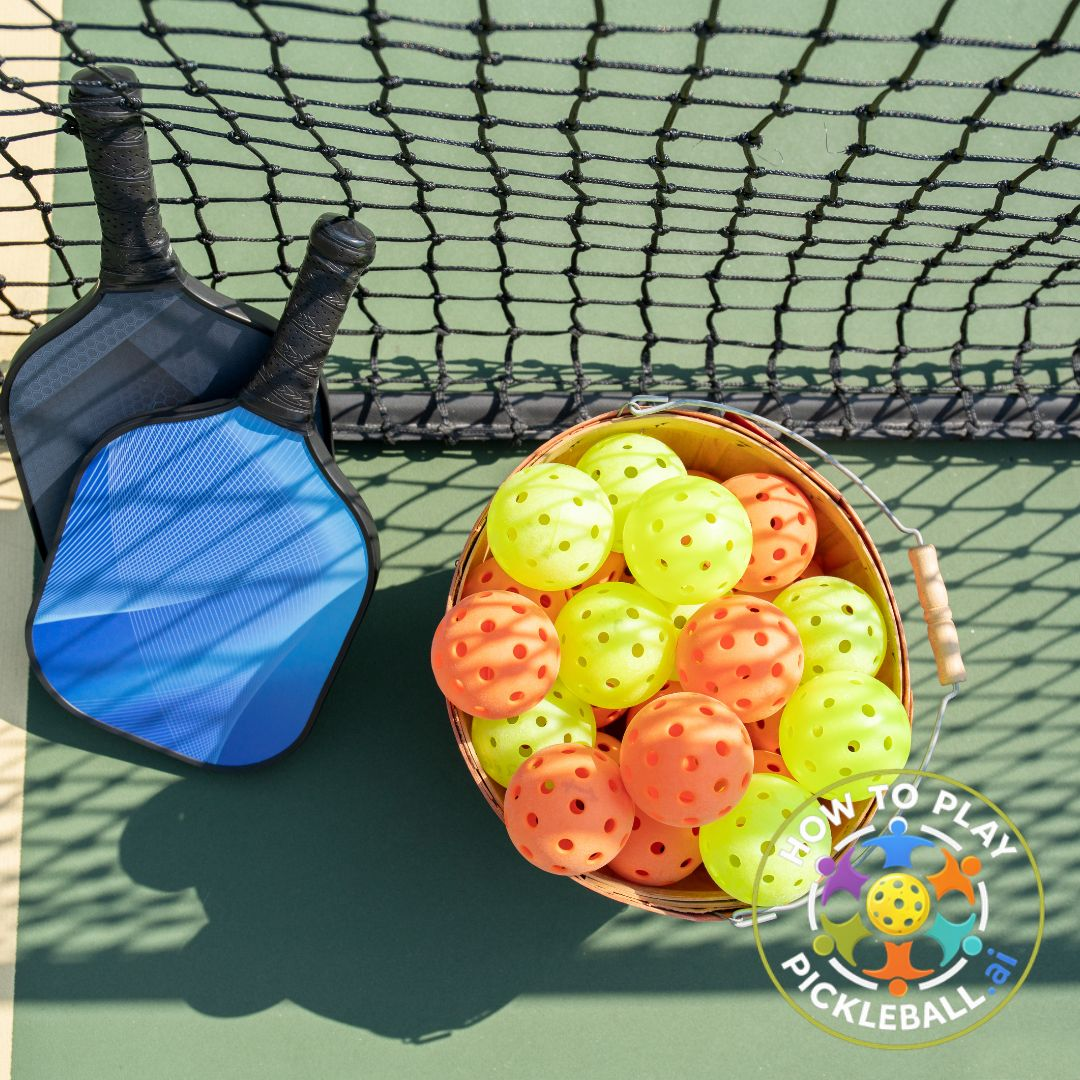
You need a paddle, balls, water, and court shoes. If you do not have a paddle yet, most open play venues have spare paddles new players can borrow — call ahead to confirm. Wear athletic clothing appropriate for the weather and court shoes with lateral support (not running shoes). Bring more water than you think you need — pickleball is more aerobic than it looks. Arrive 15 minutes early to watch a few games before joining — understanding the flow of a game before you step on the court reduces early confusion significantly.
Your First Open Play Session
Open play at most pickleball facilities uses a paddle-rack or waiting system: place your paddle in a designated spot to join the next available game. When a game ends, the winning team stays on the court and the losing team is replaced by the next two players waiting. Introduce yourself as a beginner — most experienced players will adjust their game and offer tips. Do not apologize for making errors; everyone was a beginner once. Focus on getting the ball in play, learning the serve, and observing what the kitchen line play looks like before trying to replicate it.
Learning the Rules Before You Play
The two rules that confuse beginners most are the kitchen rule (no volleying in the non-volley zone) and the two-bounce rule (each team must let the ball bounce once before the rally opens to volleys). Read our full rules guide before your first session. Understanding these two rules prevents 80 percent of early disputes and lets you focus on actually playing rather than stopping every few points to figure out if something was legal.
Frequently Asked Questions
Do I need my own paddle to start playing pickleball?
Not immediately. Many parks, community centers, and open play sessions have spare paddles available for new players. Call ahead to ask. Once you have played a few times and know you enjoy the sport, invest in your own paddle — borrowed paddles are often worn or an awkward fit.
Is pickleball good exercise?
Yes — recreational pickleball provides moderate cardiovascular exercise, significant lateral movement training, and upper body engagement from paddle swings. Studies show recreational pickleball produces heart rate responses comparable to moderate-intensity exercise, which meets the minimum threshold for cardiovascular health benefits.
How do I find other beginners to play with?
Most community pickleball groups have beginner-specific open play sessions or clinics. Look for ‘beginner-friendly’ or ‘2.5 and under’ labels on local session listings. Local Facebook groups for pickleball typically have resources for new player connections. Many facilities also offer beginner clinics that pair new players with coaches for structured introductions.