Pickleball Dink Drills — Build Consistency at the Kitchen Line
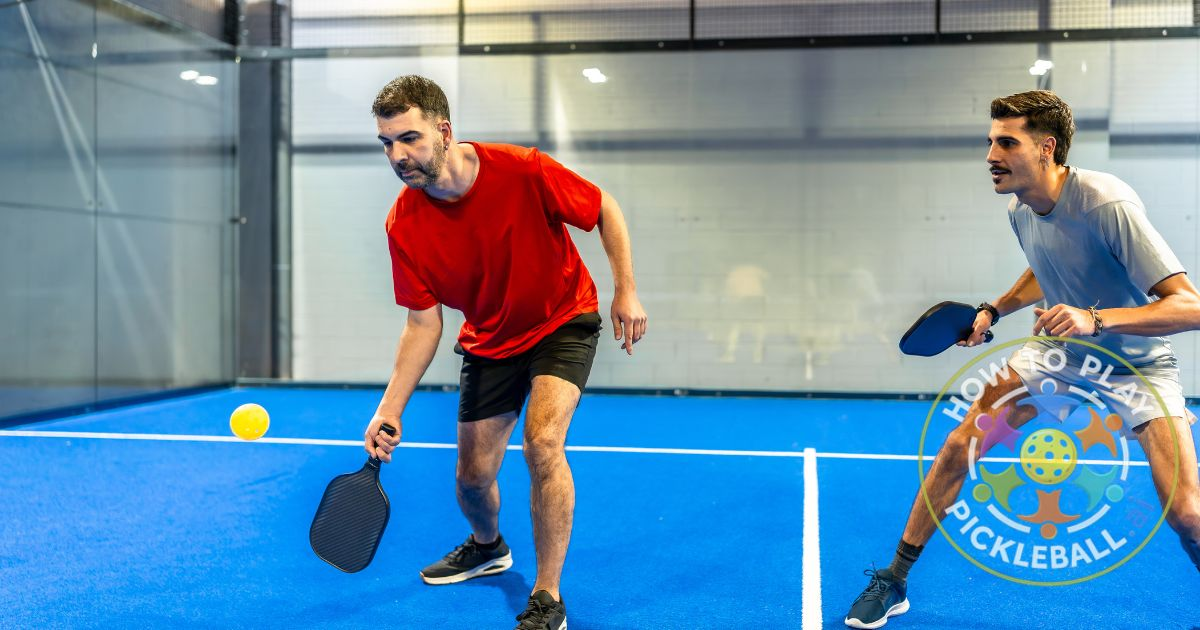
Most recreational pickleball players can dink, but few can dink consistently under pressure, with placement, and without unforced errors after 20 or 30 shots. The difference between a player who dinks and a player who dinks well is deliberate practice targeting specific weaknesses: backhand dinks, wide cross-court angles, and maintaining softness when the ball speed increases. These drills address all three.
The Backhand Dink Isolation Drill
Stand at the kitchen line and have your partner feed only to your backhand side. Return every ball with a backhand dink cross-court. The goal is 15 consecutive backhand dinks without error. This drill specifically addresses the weaker dink side for most players. Focus on relaxing your non-dominant grip, initiating the swing from the shoulder, and keeping the paddle face slightly open. Track your personal record and try to beat it each session.
The Skinny Singles Dink Drill
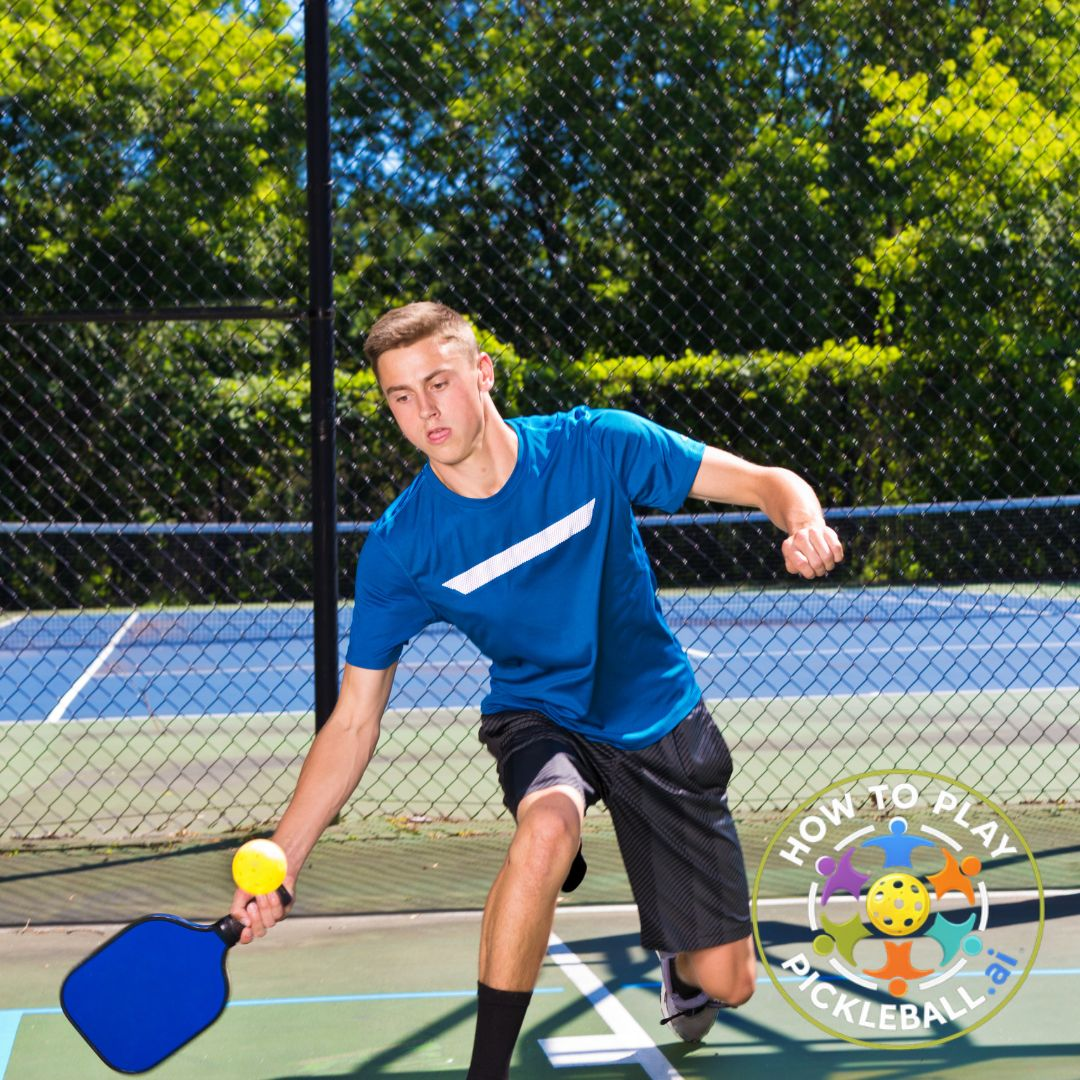
Skinny singles uses only half the court — just the right service box or just the left service box. Two players stand at opposite kitchen lines and dink within just the half-court. The narrowed court demands more precise placement and exposes any tendency to dink too wide or too short. This drill simulates the pressure of directed dinking better than full-court dinking because every shot has a smaller margin. Play games to 7 within the half-court to add competitive pressure.
The Speed-Up and Reset Drill
Both players at the kitchen line. One player hits a dink; the other player speed-ups (drives it hard). The speed-up player’s partner must reset it — absorb the pace and return a soft dink. Alternate who speed-ups. This drill trains the most critical transition in kitchen play: handling pace that arrives fast and resetting it instead of trading hard shots that lead to errors. Most players who practice this drill cut their kitchen errors significantly within a few sessions.
The Angle Dink Drill
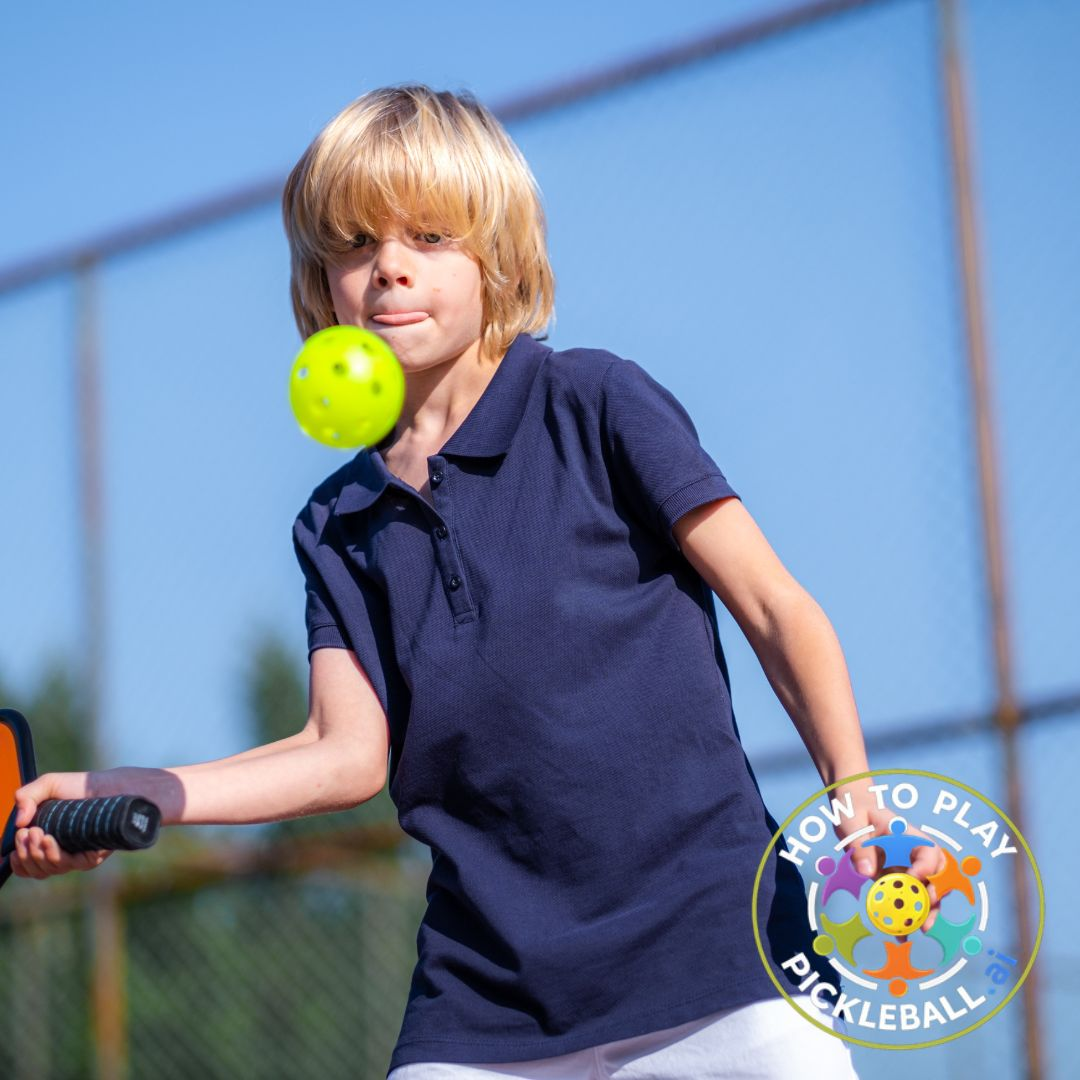
Both players dink cross-court, but the goal is to increase the angle progressively until the ball lands near the sideline of the kitchen. Wide cross-court dinks that land near the sideline force the opponent to move laterally and create openings for speed-ups or ATP (around-the-post) shots. Practice maintaining ball height — too low and the wide ball goes in the net on the sharper angle; too high and it becomes attackable. This drill expands your dinking vocabulary beyond the straight-ahead pattern.
Frequently Asked Questions
How do I stop popping up my dinks?
Popped-up dinks are usually caused by too much wrist, a tense grip, or taking the ball late (behind the body). Focus on contacting the ball slightly in front of your body, relaxing your grip deliberately, and initiating the swing from the shoulder rather than the elbow. Slow the swing down — a slower, more deliberate dink is better than a faster, less controlled one.
How often should I drill dinking?
Even 10 minutes of focused dinking before a recreational session makes a measurable difference. Players who spend 10 minutes dinking before recreational play typically see improvement within two to three weeks. Quality of focus matters more than duration — 10 distraction-free minutes beats 30 minutes of casual hitting.