Pickleball Drills for Beginners — Build Your Game from the Ground Up
Playing games is fun, but drilling is how you actually improve. Beginners who focus on a few targeted drills develop consistent technique far faster than those who only play pickup games. The drills in this guide cover the most important beginner skills — dinking, serving, and moving to the kitchen — so you build the right habits from the start rather than spending months unlearning bad ones.
The Dinking Rally Drill
This is the most valuable beginner drill in pickleball. Stand at opposite kitchen lines with a partner and dink back and forth with the goal of extending the rally as long as possible. No scoring, no winners — just soft, arcing dinks that land in the kitchen. Start by hitting every ball cross-court (lower net in the center, longer distance = more margin). Track your longest rally as a benchmark and try to beat it each session. This drill builds the touch and patience that define kitchen-line play. Target: 20-shot rallies within your first month of drilling.
Serve and Return Drill
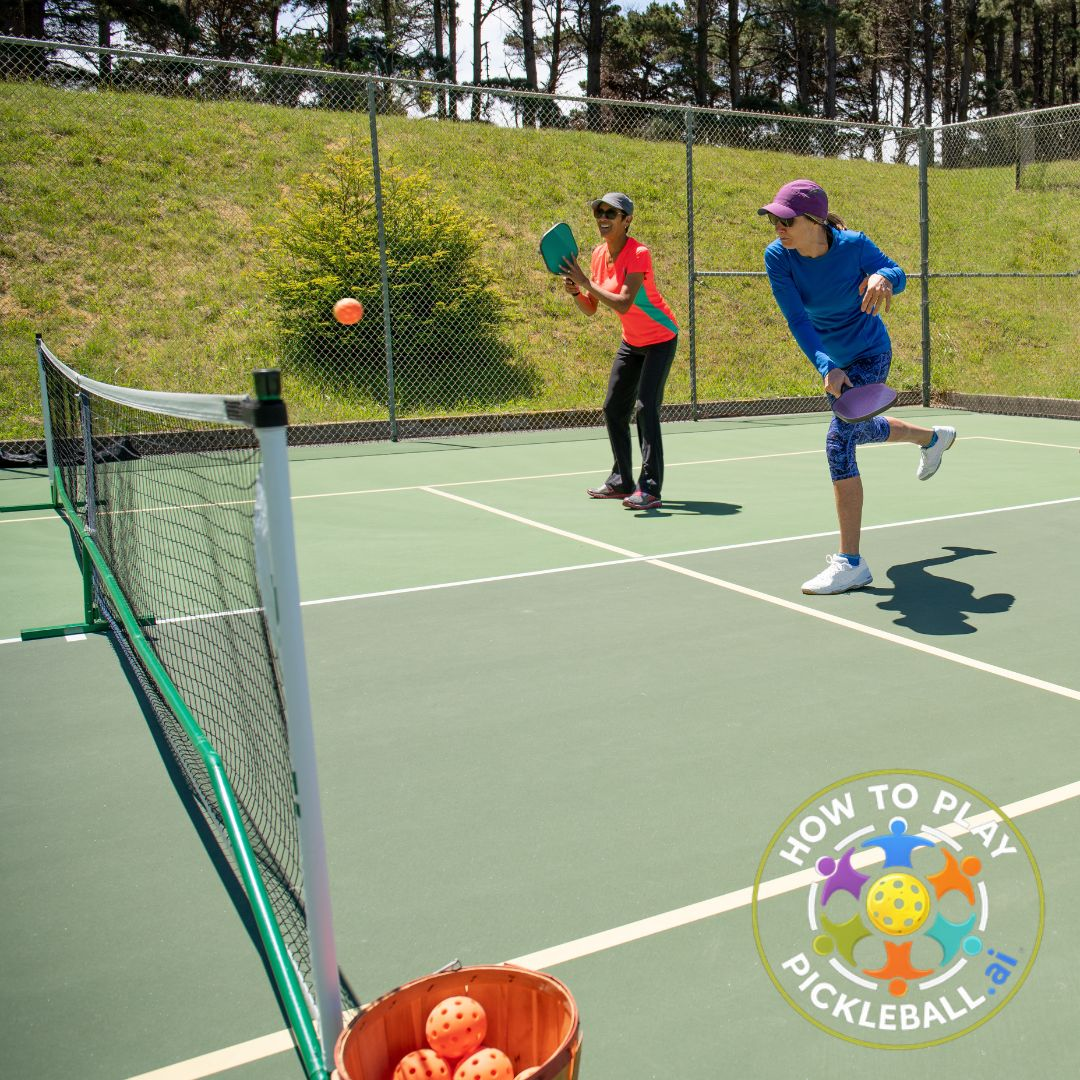
Practice serves to specific targets in the service box. Place a cone or water bottle near the baseline of the service box and aim for it with each serve. Alternate targets: deep-center, deep-backhand corner, and deep-forehand corner. Once your serve is consistent, add a return practice: the partner returns each serve cross-court to the server’s side, and the server lets it bounce. This replicates the beginning of every real rally and builds muscle memory for both the serve and the two-bounce rule.
The Third Shot Drop Drill
The serving team’s key transition shot — practiced from the baseline against a partner at the kitchen line. The partner feeds a soft toss or drop to the server’s forehand or backhand. The server attempts a soft, arcing drop that lands in the kitchen. The partner lets the drop land and provides feedback on whether it was attackable (too high) or unattackable (correct). After hitting the drop, the server moves toward the kitchen line. This drill isolates the hardest transition shot in the game and builds the feel needed to execute it under pressure.
Footwork: The Side Shuffle Drill
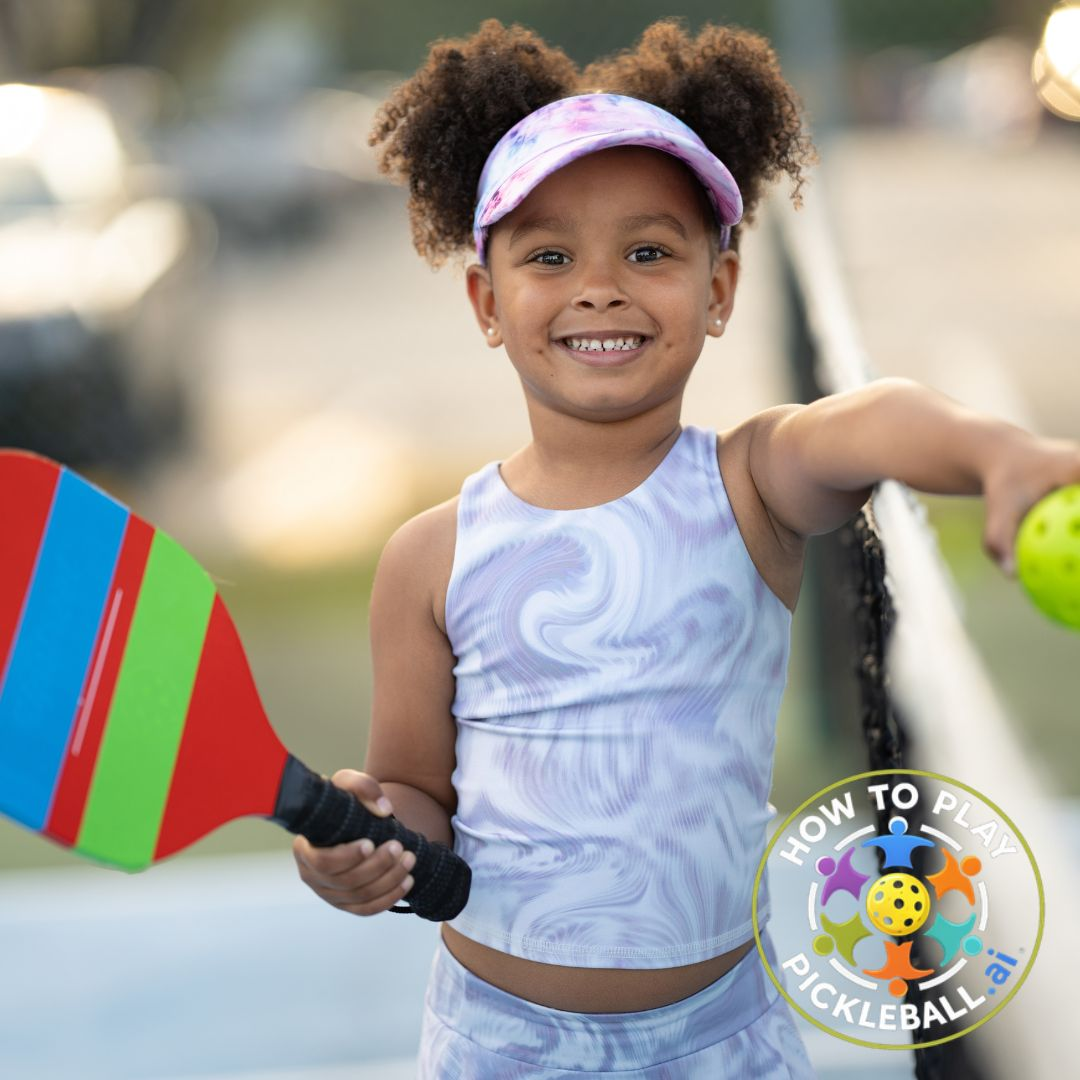
Good footwork prevents you from reaching for balls with your arm instead of moving your feet. Stand at the kitchen line and side-shuffle laterally from sideline to sideline without crossing your feet. Keep your paddle up. Have a partner randomly feed balls to either side of the court while you shuffle and return. This drill trains the split-step and lateral shuffle movement patterns that kitchen-line play demands. Many beginners have slow feet because they have not drilled movement separately from hitting.
Shadow Swing Drill (Solo)
No partner needed. Stand at the kitchen line and practice your dink swing motion repeatedly — relaxed grip, shoulder-driven, compact follow-through — without a ball. Then move to the baseline and practice your third shot drop swing. Shadow drills train muscle memory for correct mechanics without the mental pressure of tracking a moving ball. Spend five minutes on shadow swings before every practice session to prime correct movement patterns.
Frequently Asked Questions
How long should a beginner practice before playing games?
Even 15 to 20 minutes of targeted drilling before or after playing produces faster improvement than playing alone. Beginners benefit from at least one dedicated drill session per week in addition to regular play. The dinking rally drill and serve drill are the two highest-priority starting points.
What drills can I do without a partner?
Shadow swing drills, serve practice (including aiming at targets in the service box), and wall drills (hitting against a practice wall or garage door) can all be done solo. Wall drills develop ball tracking and reflexes but do not replicate the arc of real pickleball shots — use them as a supplement, not a primary drill.