
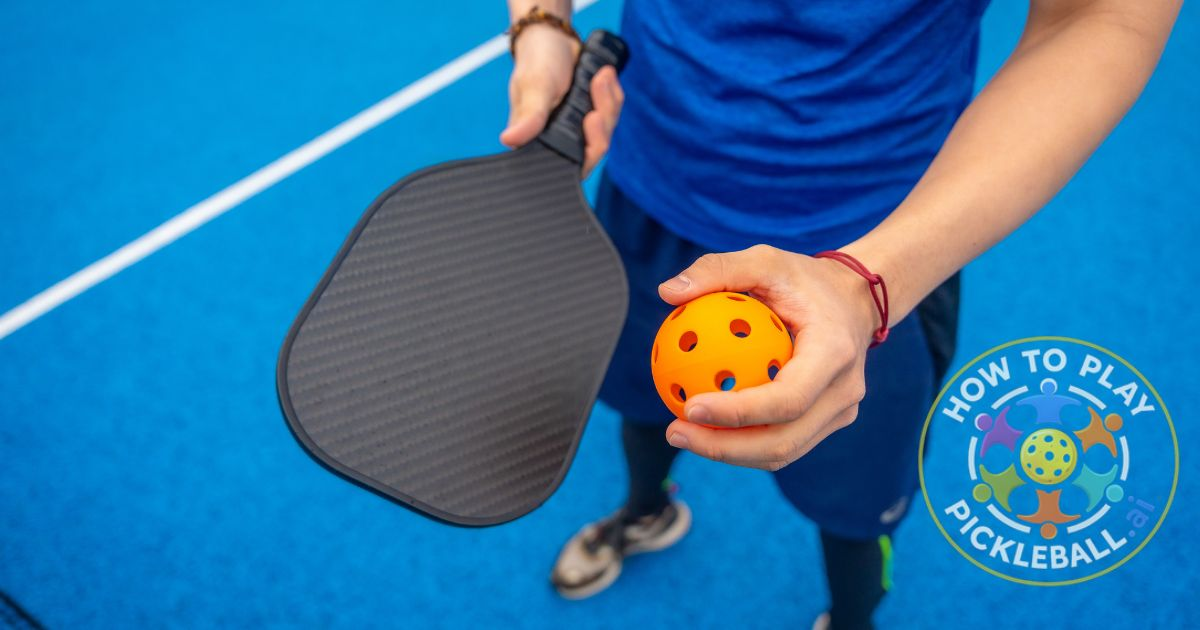
Pickleball Serving Rules — Everything You Need to Know
The serve is the only shot in pickleball where the rules are strict enough to produce faults before the rally even begins. Most beginners grasp the basics quickly, but the full serving rules — including the drop serve, foot fault positions, and what happens when a serve hits the net — are worth knowing precisely to avoid disputes and develop a legal, reliable serve from the start.
Quick Answer
The serve must be underhand — paddle contact below the wrist, arm moving upward. It is hit diagonally crosscourt and must clear the kitchen and land in the opposite service box. Both feet must stay behind the baseline at contact.
Legal Serve Requirements
A legal pickleball serve must meet four requirements. First, the serve must be underhand — the paddle must contact the ball below the server’s waist, and the arm must swing in an upward arc. Second, the serve must be made crosscourt — diagonally into the service box on the opposite side of the court. Third, the ball must clear the non-volley zone (kitchen) and its line — serving into the kitchen is a fault. Fourth, the serve must land in bounds within the service box. All four must be satisfied for a legal serve.
Foot Position on the Serve
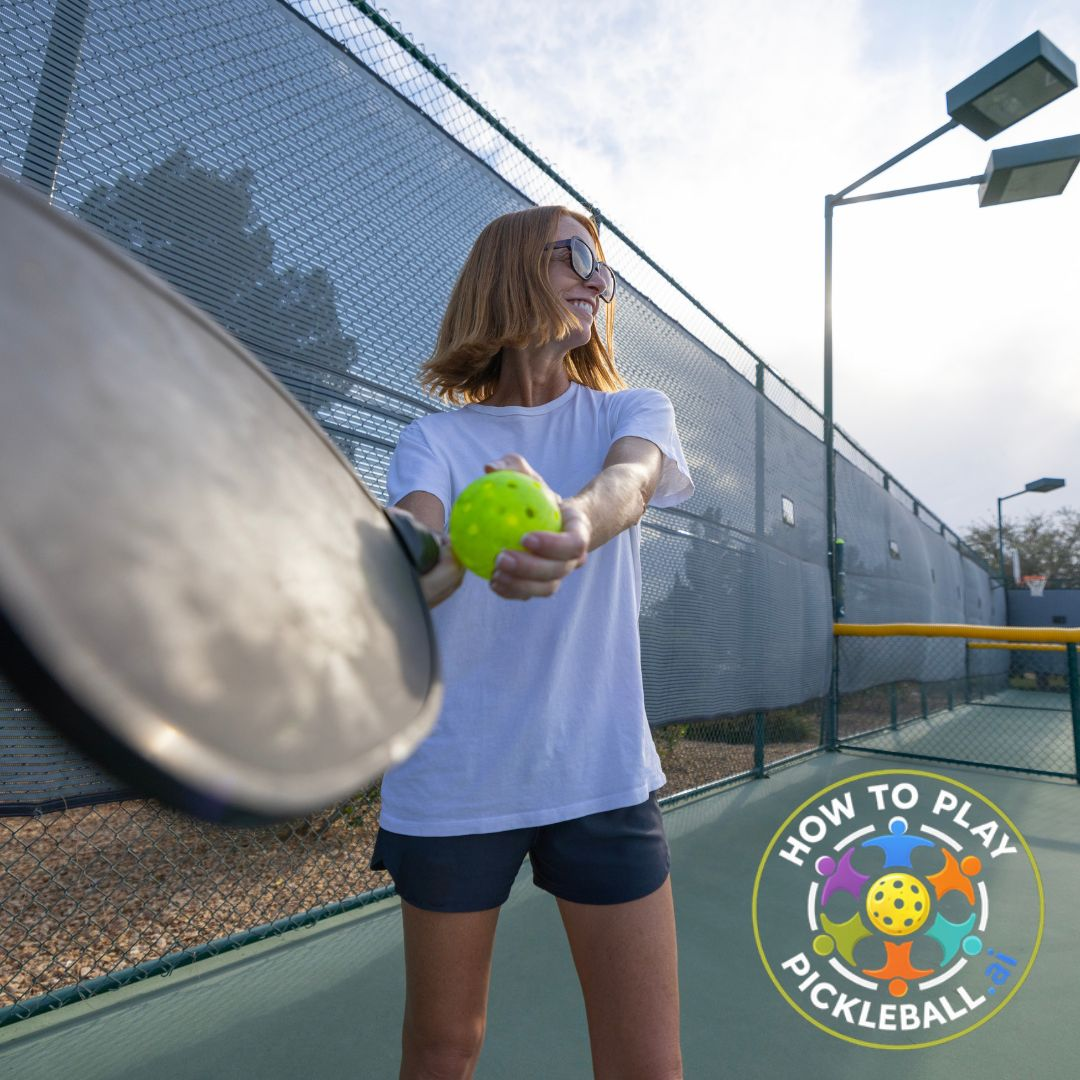
The server must have at least one foot behind the baseline at contact and neither foot may touch the baseline or the centerline at the moment of serve. The server can stand anywhere along the baseline behind the centerline — they do not have to serve from a specific position on their side, only behind the centerline relative to the sideline. After contact, the server can move anywhere on the court.
The Drop Serve
The drop serve is a legal alternative to the standard volley serve. The server drops the ball from any natural height — no throwing or tossing it upward — and hits it after it bounces. The drop serve removes the underhand requirement: you can swing however you like after the drop bounce. This gives players more flexibility with their swing mechanics and is popular with players who have difficulty executing a consistent underhand volley serve. The ball must still land in the correct service box.
Let Serves
If the serve clips the top of the net and lands in the correct service box, it is a let — the serve is replayed with no penalty. There is no limit on the number of lets. If the serve hits the net and lands out of bounds, in the kitchen, or on the kitchen line, it is a fault. If the serve hits the net post and goes over into the correct service box, it is also a let.
Recommended Gear
FAIR WARNING: product links on this page earn us an affiliate commission. Zero extra cost to you — it keeps us eating grilled cheese and playing pickleball.
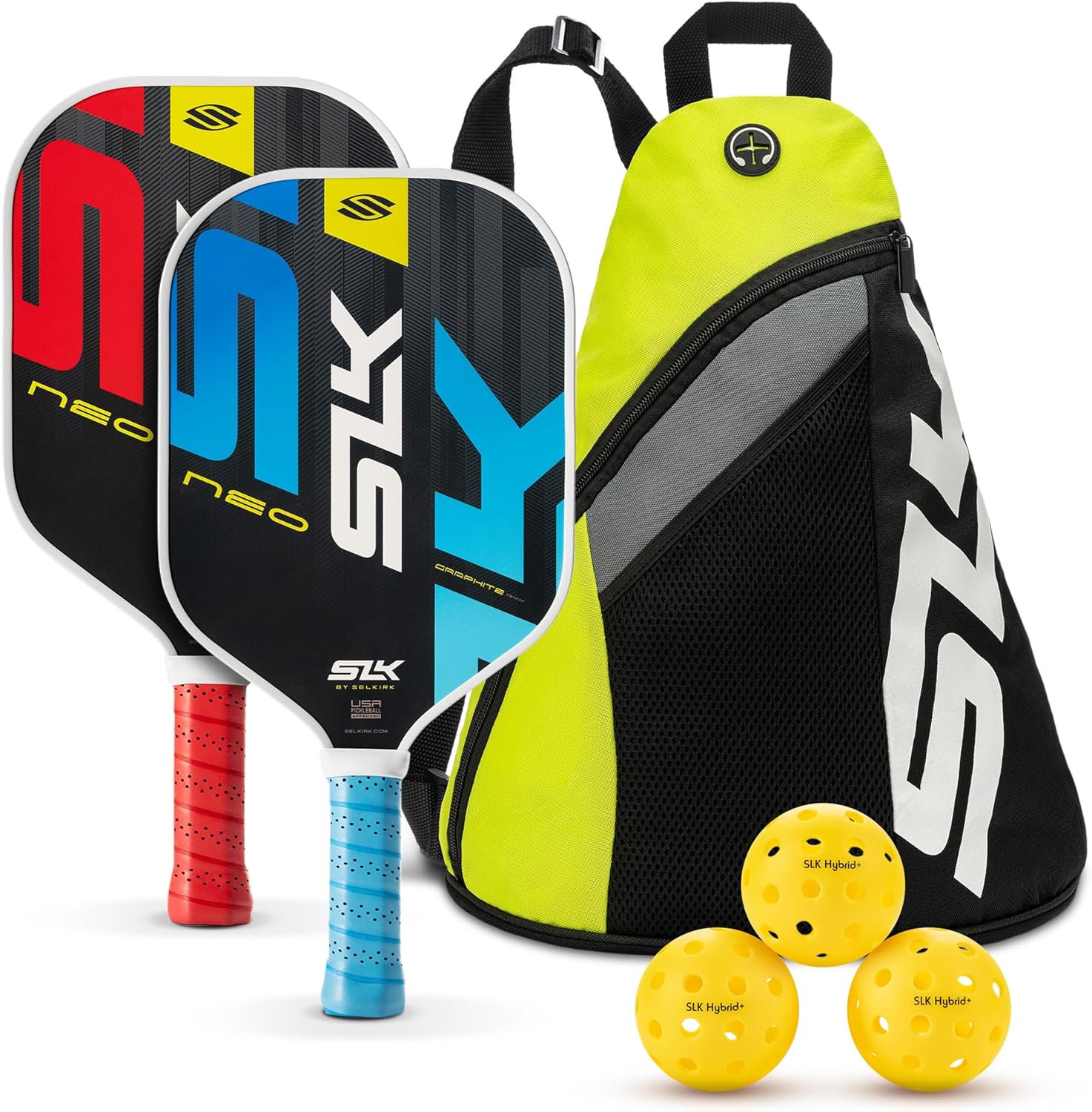
Selkirk SLK Pickleball Paddles Set of 2
$89.99
View on Amazon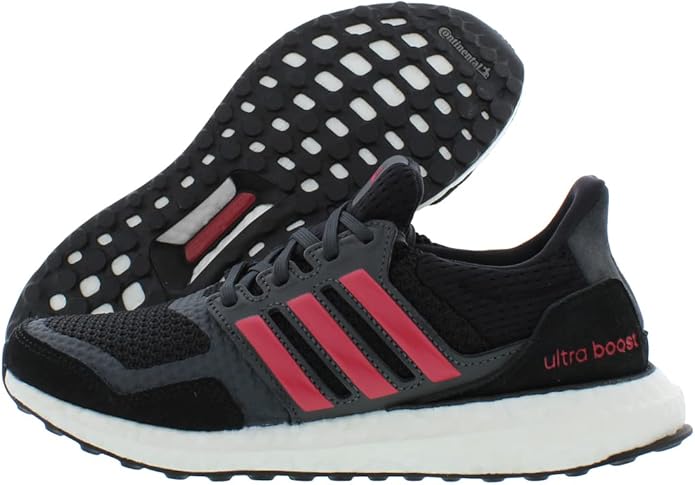
Adidas Courtflash Pickleball (Women’s)
from $45.64
View on Amazon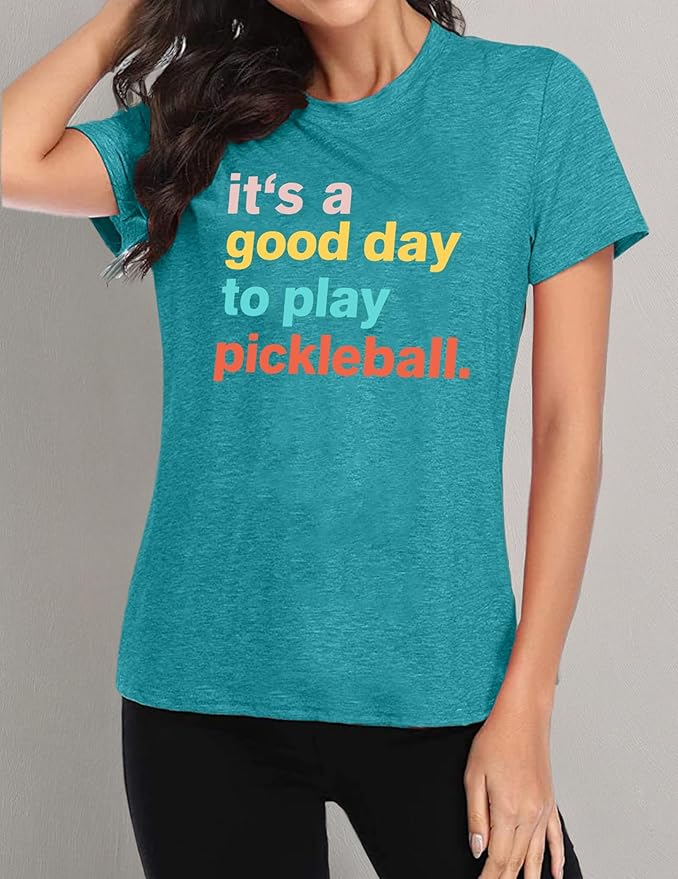
Pickleball Definition T-Shirt
$16.99
View on Amazon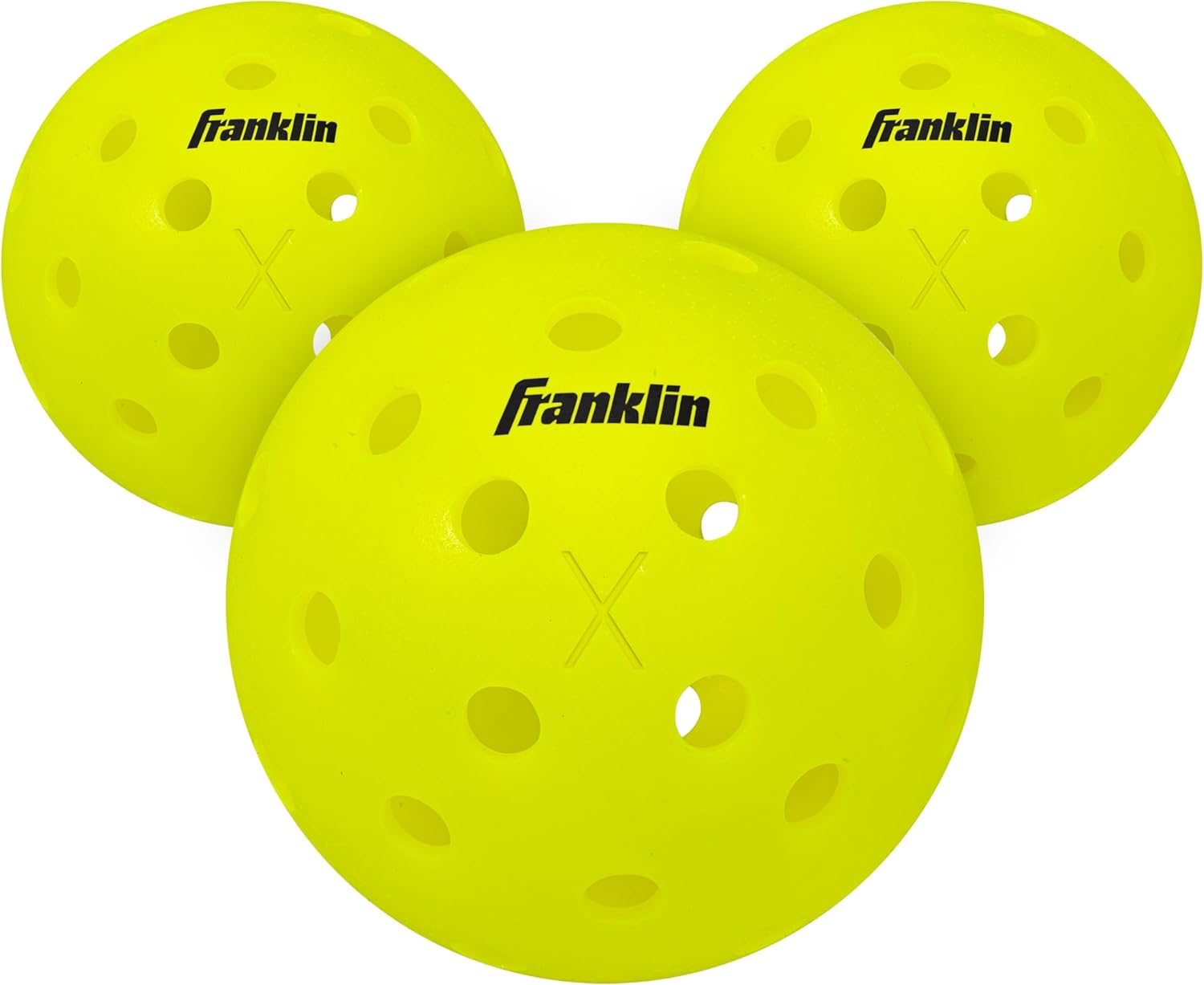
Franklin X-40 Pickleballs 3-Pack
$9.97
View on Amazon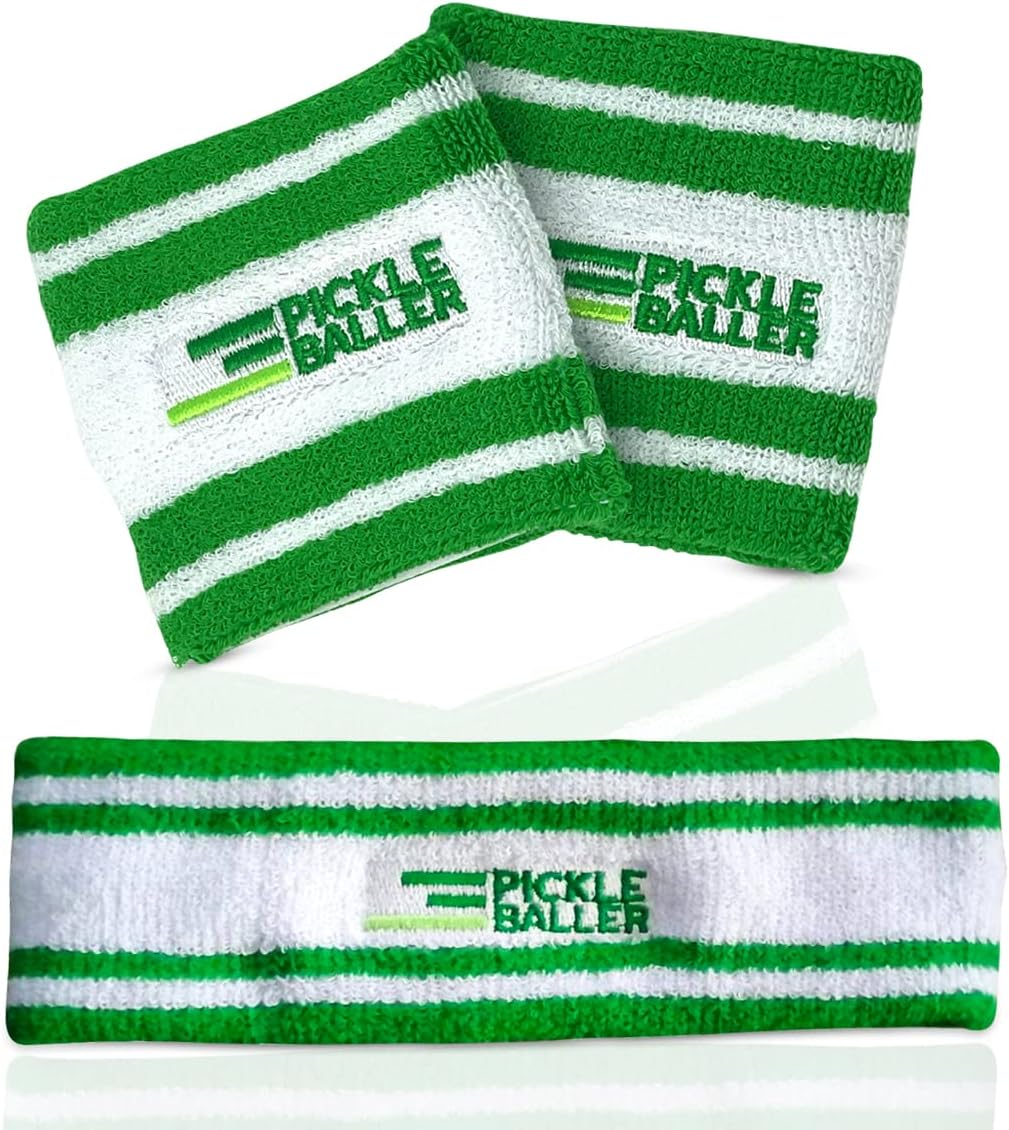
PICKLEBALL BALLER Sweatband Set
see Amazon
View on Amazon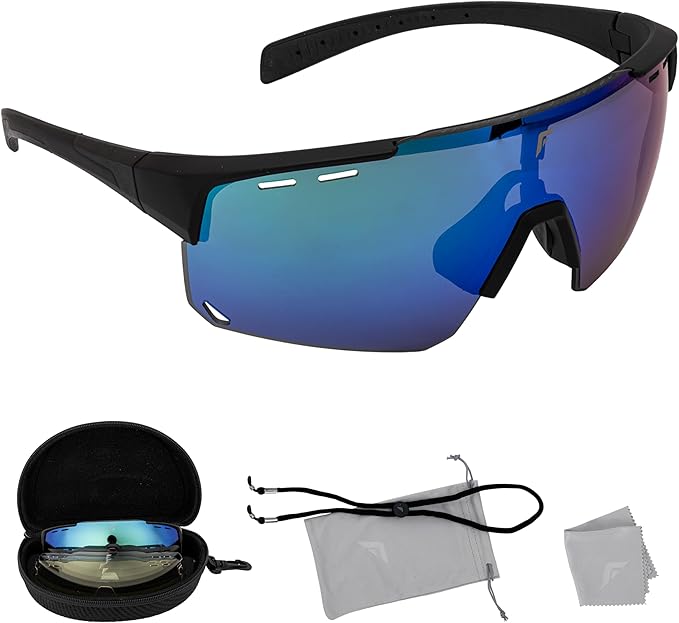
Franklin Sports 5-Lens Eyewear Kit
$52.82
View on AmazonFrequently Asked Questions
Can you serve overhand in pickleball?
No — the standard volley serve must be underhand with the paddle below the waist and the arm swinging upward. The drop serve (bouncing the ball before hitting it) is the only legal alternative, and it has no swing restriction after the bounce.
Where do you stand when serving in pickleball?
You serve from behind the baseline on your side of the centerline. You can stand anywhere from the centerline to the sideline as long as you are behind the baseline. For the crosscourt serve, you serve from your right side to the opponent’s right side (and from your left side to their left side).
What is a fault on the serve?
Serving faults include: ball landing in the kitchen or on the kitchen line, ball landing out of bounds, serve hitting the net and not landing in the correct box, using an overhand swing (for volley serve), foot on or in front of the baseline at contact, and serving from the wrong side of the centerline.